Best mixing cupcakes technique
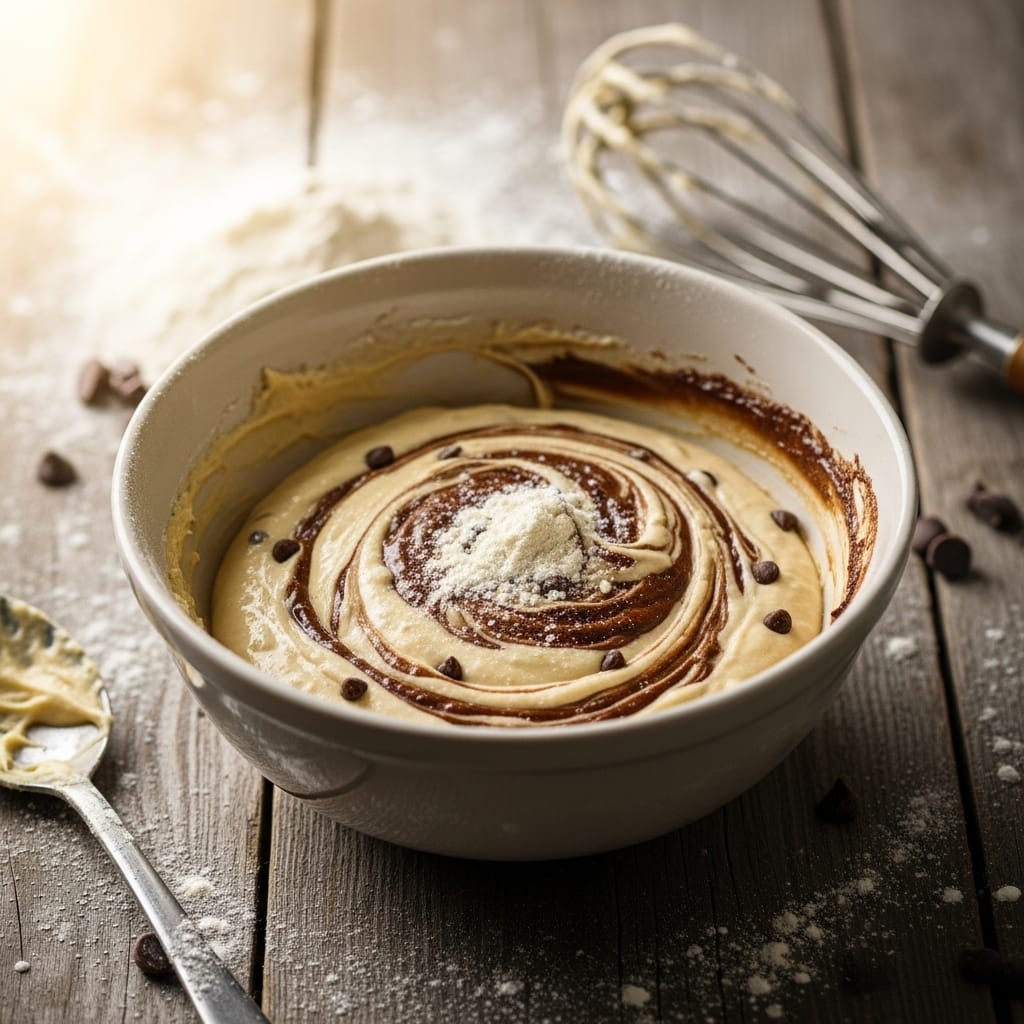
Table of Contents
Mastering the perfect mixing cupcakes technique can transform your baking from amateur to professional overnight. I remember my first cupcake disaster vividly—dense, tough little hockey pucks that even my dog refused to eat. The secret wasn’t in the ingredients but in how I combined them. Understanding the proper mixing cupcakes technique makes all the difference between sad, flat cakes and light, fluffy masterpieces. Let me share the revolutionary methods that changed my baking forever.
The Ultimate 5-Step Method for Perfect Cupcakes in 2025
Professional bakers have developed an incredible five-step process that guarantees perfect results every single time. This method focuses on ingredient temperature, mixing speed, and timing precision. Each step builds upon the previous one to create the ideal crumb structure.
You’ll be amazed at how these simple adjustments can elevate your baking game. The mixing cupcakes technique I’m sharing has been tested in commercial kitchens worldwide. It consistently produces bakery-quality cupcakes that will impress even the toughest critics.
The creaming method forms the foundation of this approach. Proper creaming incorporates tiny air pockets that expand during baking. For more ideas, check out our guide on Guilt-Free Low Carb Cupcakes That Taste Amazing. This creates that light, tender texture we all crave in perfect cupcakes.

Ingredients
- 2 ¼ cups all-purpose flour
- 1 ½ cups granulated sugar
- 3 ½ teaspoons baking powder
- 1 teaspoon salt
- ½ cup unsalted butter, room temperature
- 2 large eggs, room temperature
- 1 cup whole milk, room temperature
- 2 teaspoons vanilla extract
- ½ cup vegetable oil
Instructions
- Preheat your oven to 350°F and line muffin tins with cupcake liners. Sift together flour, baking powder, and salt into a medium bowl. Sifting aerates the dry ingredients for lighter texture.
- Cream butter and sugar on medium-high speed for 3-4 minutes until pale and fluffy. Scrape the bowl periodically. This crucial mixing cupcakes technique creates millions of tiny air bubbles.
- Add eggs one at a time, mixing thoroughly after each addition. Blend in vanilla extract and oil. The emulsion should look smooth and creamy without any separation.
- Alternate adding dry ingredients and milk, beginning and ending with flour mixture. Mix on low speed until just combined. Overmixing at this stage develops gluten and creates toughness.
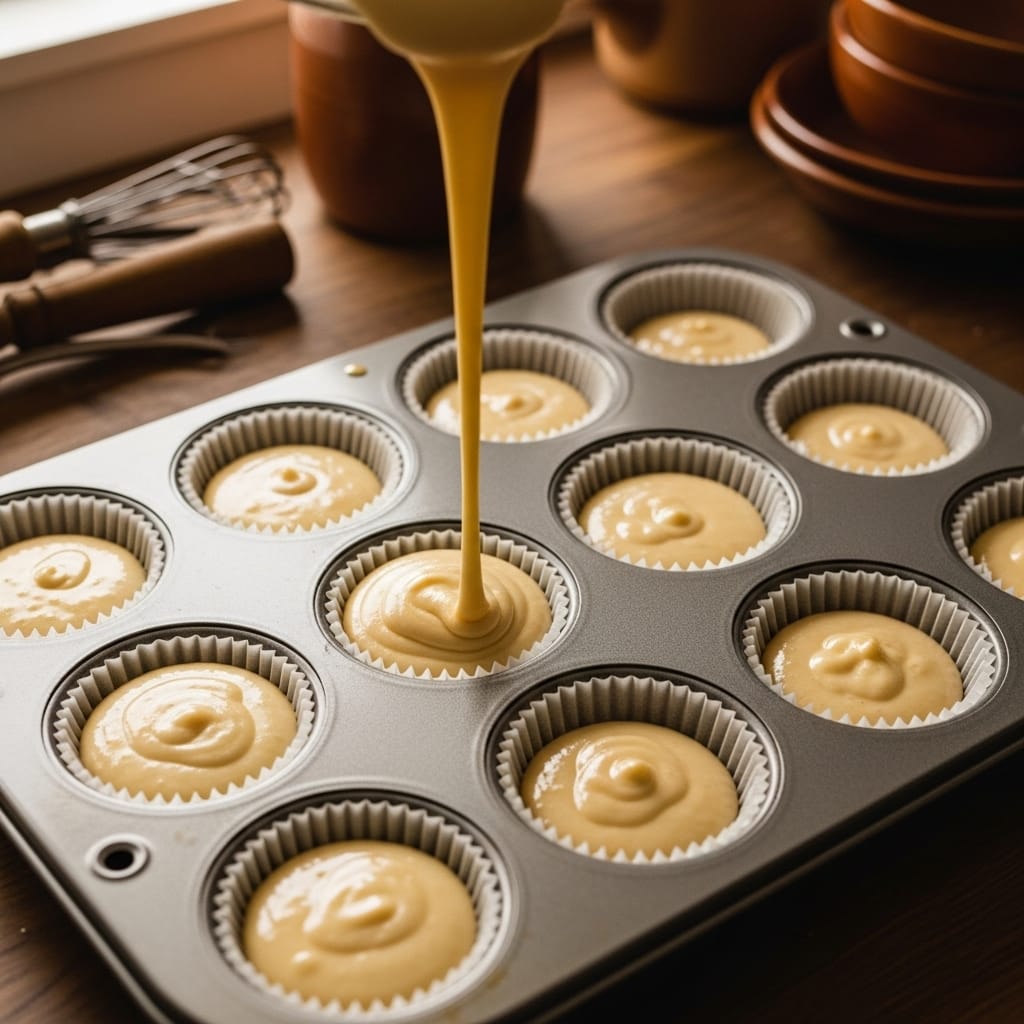
- Fill liners ⅔ full and bake 18-22 minutes until tops spring back. Cool in pans for 5 minutes before transferring to wire racks. The perfect mixing cupcakes technique yields domed, golden perfection.
Expert Storage and Freshness Tips
Proper storage maintains that freshly-baked texture for days. Always cool cupcakes completely before storing them in airtight containers. Room temperature storage works best for up to three days.
For longer storage, freeze unfrosted cupcakes in single layers. Thaw at room temperature when ready to serve. Frost right before serving to prevent sogginess.
Pro tip: Place a slice of bread in the storage container. The cupcakes will absorb moisture from the bread, staying incredibly soft. For more ideas, check out our guide on Cupcake Ideas for Preschool,Preschool,Cupcakes. Replace the bread slice daily for continued freshness.
7 Revolutionary Benefits of Proper Mixing Methods
The right mixing cupcakes technique delivers multiple advantages beyond basic edibility. These benefits transform your entire baking experience and final product quality.
- Consistent dome formation every single time
- Light, tender crumb that melts in your mouth
- Even baking without tunneling or air pockets
- Better flavor distribution throughout each bite
- Improved shelf life and moisture retention
- Professional appearance that impresses guests
- Confidence to experiment with flavors and add-ins
The science behind emulsion formation explains why proper technique matters. Understanding the chemistry helps troubleshoot issues before they ruin your batches. Every great baker masters these fundamentals.
5 Common Cupcake Mixing Mistakes to Avoid
Even experienced bakers sometimes make these errors that compromise texture. Being aware of these pitfalls will save you from disappointing results. For more ideas, check out our guide on fall piping cupcakes,Cupcakes.
- Using cold ingredients straight from the refrigerator
- Overmixing the batter after adding flour
- Under-creaming butter and sugar mixture
- Rushing the process and skipping resting steps
- Inconsistent oven temperature during baking
TBH, I’ve made every single one of these mistakes myself. The learning process involves some failures, but understanding these common errors accelerates your improvement dramatically.
Alternative Mixing Methods and Variations
While the creaming method works best for classic cupcakes, other approaches suit different dietary needs. The reverse creaming method produces exceptionally tender crumbs with finer texture.
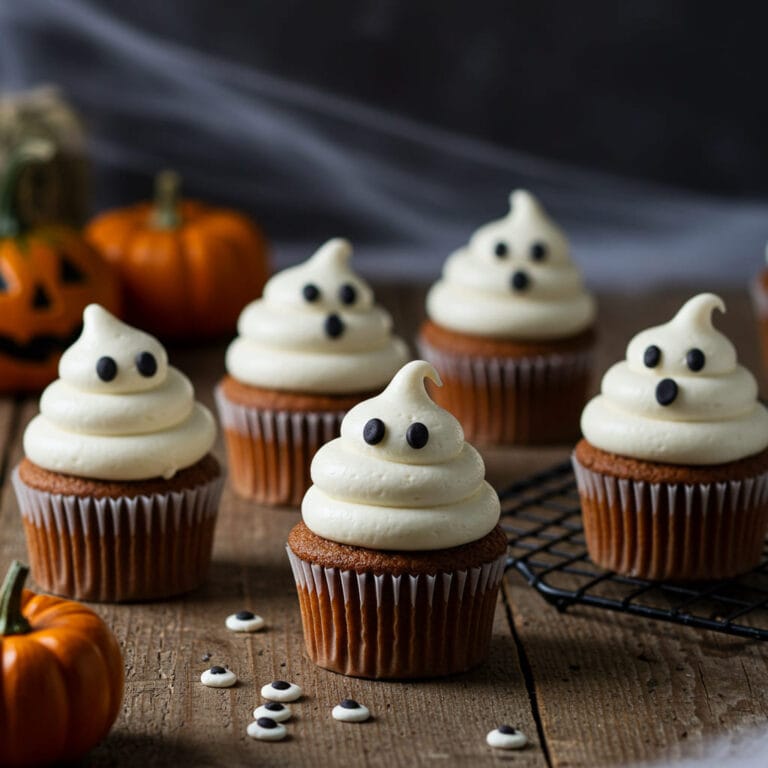
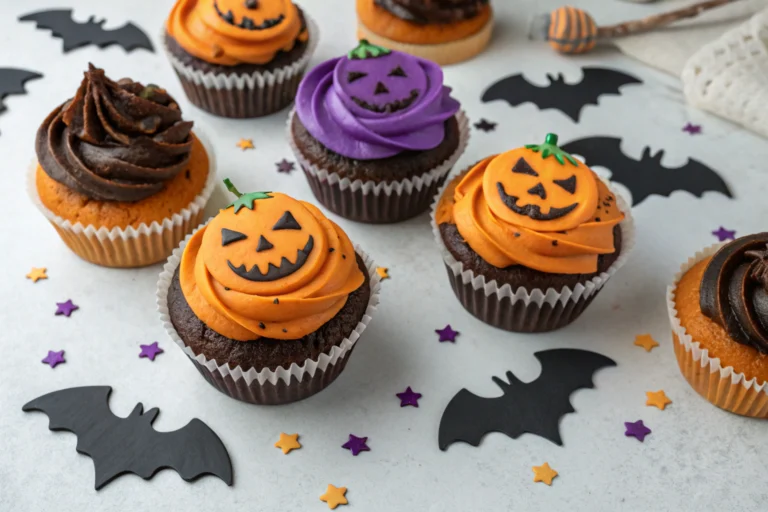
For vegan options, aquafaba can replace eggs with surprising effectiveness. Gluten-free flours often benefit from the muffin mixing method. For more ideas, check out our guide on Halloween cupcakes with candy,Halloween. This involves mixing wet and dry ingredients separately before combining.
Experiment with different approaches once you’ve mastered the basic mixing cupcakes technique. Each method offers unique textural qualities that might better suit specific recipes or personal preferences.
Frequently Asked Questions
Find answers to common questions
Final Thoughts
Mastering the proper mixing cupcakes technique truly separates amateur bakers from professionals. The difference lies in understanding the science behind each mixing stage. For more ideas, check out our guide on Spider Cupcakes. With practice, these methods become second nature.
Your next batch will demonstrate the power of proper technique. IMO, the satisfaction of creating perfect cupcakes makes the learning process absolutely worthwhile. Share your creations and continue refining your skills.
The endless flavor variations become possible once you’ve mastered the foundational mixing cupcakes technique. From there, your creativity can truly shine through in every beautiful, delicious batch.

Ben is a 41-year-old baking educator and former bakery owner from Kansas City, Missouri. With a culinary degree and years of hands-on experience, he specializes in teaching approachable, science-based baking. He once recreated a 17th-century cupcake recipe for a historical food documentary.



4 Comments