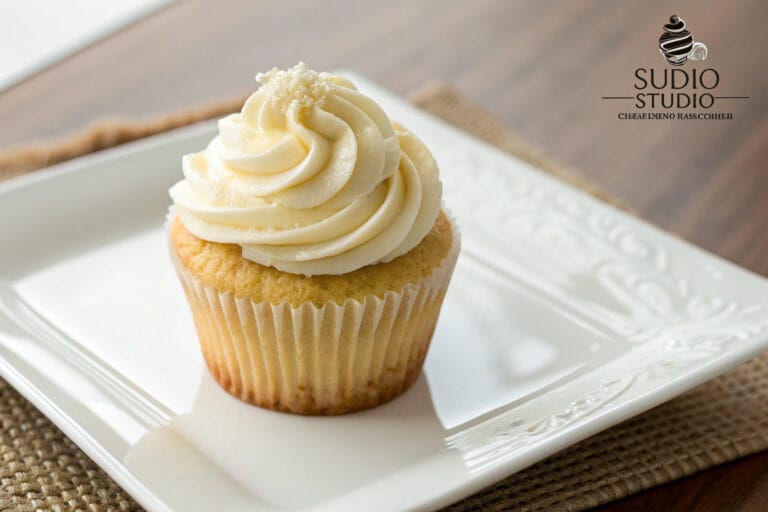
Buttercream Cupcakes Techniques for Perfect Frosting
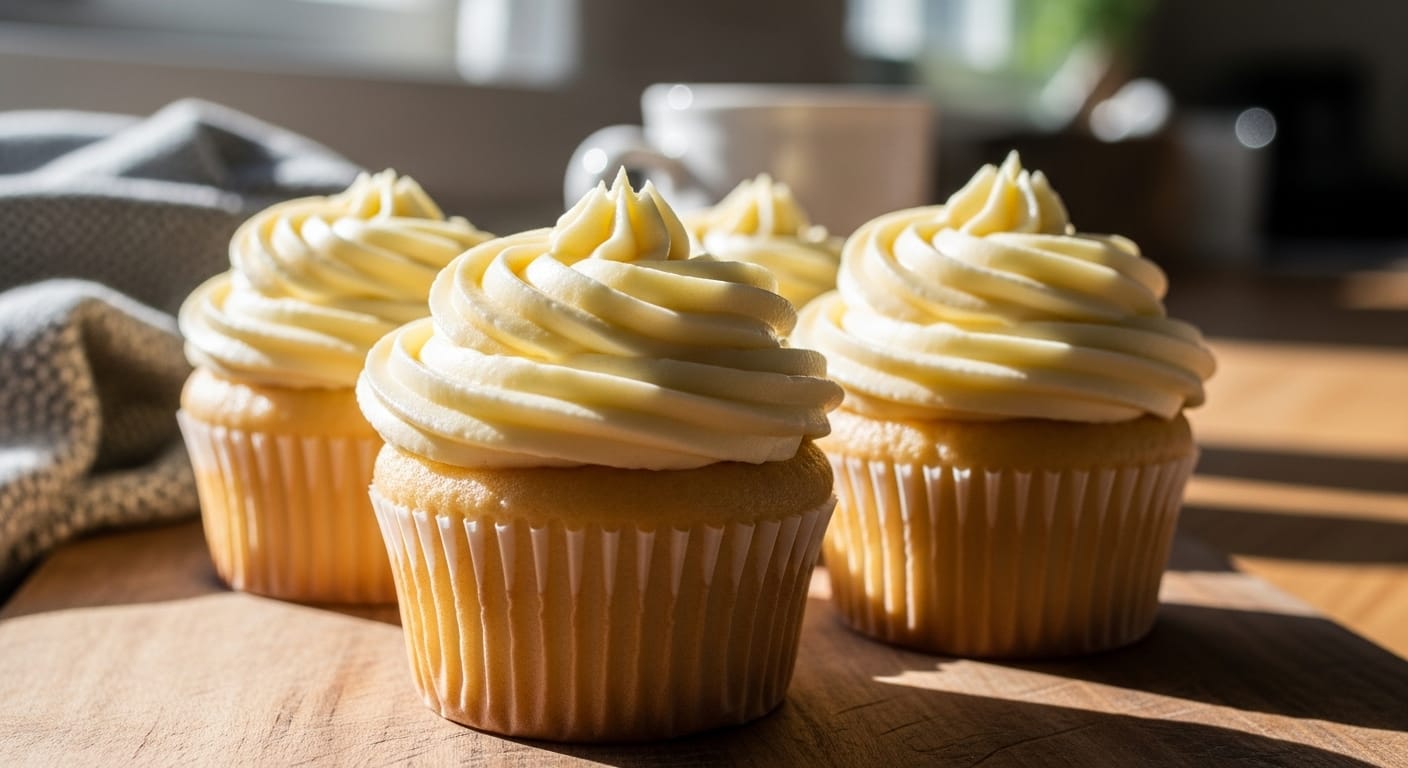
Table of Contents
Mastering buttercream cupcakes techniques can transform your baking from amateur to professional overnight. I remember my first disastrous attempt at decorating cupcakes—let’s just say they looked more like abstract art than dessert. The secret to bakery-quality results lies in understanding these fundamental buttercream cupcakes techniques that separate the pros from the beginners. Whether you’re preparing for a birthday party or just craving something sweet, these buttercream cupcakes techniques will elevate your creations beyond your wildest dreams.
7 Revolutionary Buttercream Techniques That Changed My Baking Forever
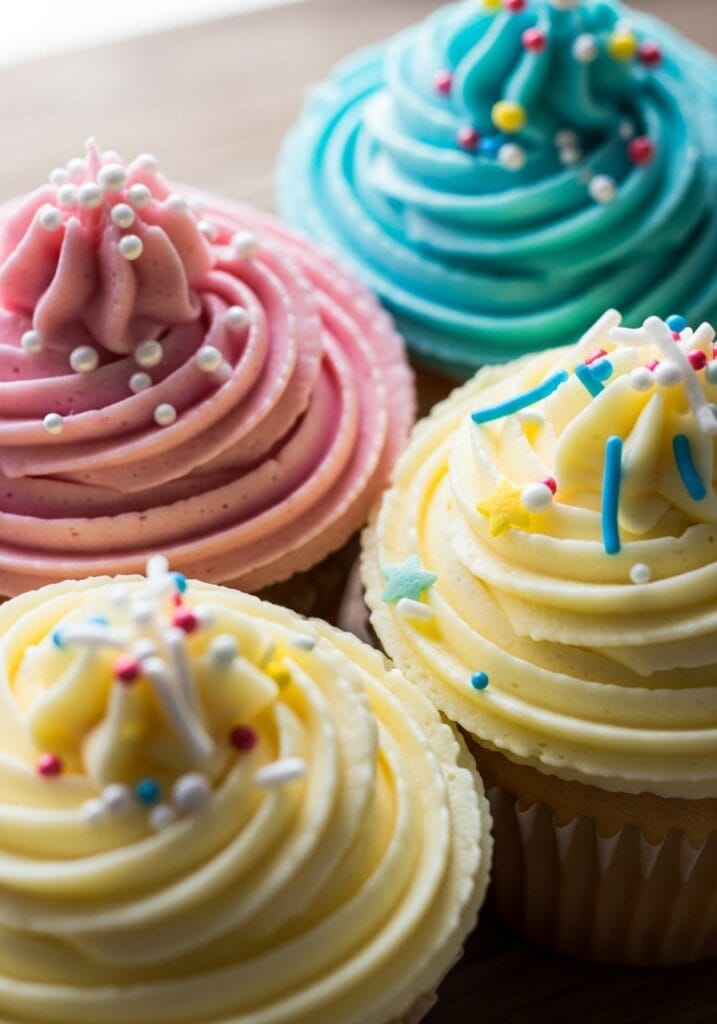
When I discovered these professional buttercream cupcakes techniques, my dessert game improved dramatically. The difference between flat, boring frosting and stunning piped creations comes down to seven key methods. Each technique serves a different purpose and creates unique visual effects that will impress anyone who sees your cupcakes.
These buttercream cupcakes techniques include everything from basic spreading to advanced piping patterns. The American Culinary Federation emphasizes that proper technique separates amateur bakers from professionals. Understanding these fundamental skills can transform your baking results immediately.
Mastering these methods requires practice but delivers incredible rewards. Your cupcakes will look like they came from an expensive bakery rather than your kitchen. The best part? For more ideas, check out our guide on mixing cupcakes technique. Most techniques require the same basic tools you probably already own.
Ingredients
- 2 cups all-purpose flour
- 1 ½ cups granulated sugar
- ½ cup unsalted butter, softened
- 3 large eggs at room temperature
- 1 cup whole milk
- 2 teaspoons baking powder
- 1 teaspoon vanilla extract
- ½ teaspoon salt
- 4 cups powdered sugar for buttercream
- 1 ½ cups unsalted butter for buttercream
- 2-3 tablespoons heavy cream
- 1 tablespoon vanilla extract for buttercream
- Food coloring (optional)
Instructions
- Preheat your oven to 350°F and line muffin tins with cupcake liners. This ensures even baking and easy removal. Proper preparation prevents last-minute scrambling.
- Cream together butter and sugar until light and fluffy. This incorporates air for perfect texture. The mixture should pale in color and increase slightly in volume.
- Add eggs one at a time, beating well after each addition. This prevents the batter from breaking. Scrape the bowl regularly for even mixing.
- Combine dry ingredients in a separate bowl. Whisk thoroughly to distribute leavening agents. This step prevents dense or uneven cupcakes.
- Alternate adding dry ingredients and milk to the butter mixture. Begin and end with dry ingredients. Mix until just combined to avoid toughness.
- Fill cupcake liners ⅔ full and bake 18-22 minutes. Test with a toothpick for doneness. Cool completely before frosting for best results.
- For buttercream, beat butter until creamy then gradually add powdered sugar. Add cream and vanilla until desired consistency forms. Color and flavor as desired.
Storage Tips
Proper storage maintains your cupcakes’ freshness and appearance. Store decorated cupcakes in an airtight container at room temperature for up to two days. Refrigeration can dry out both cake and frosting.
For longer storage, freeze unfrosted cupcakes for up to three months. Wrap individually in plastic then place in freezer bags. Thaw at room temperature before decorating.
Buttercream-frosted cupcakes can be refrigerated briefly if containing perishable ingredients. Always bring to room temperature before serving for best texture and flavor. For more ideas, check out our guide on Birthday Cupcakes for Toddlers,Birthday,First Birthday Cupcake.
5 Game-Changing Benefits of Mastering Buttercream Techniques
Learning professional buttercream cupcakes techniques delivers advantages beyond beautiful appearance. These skills transform your entire baking experience and results. The benefits extend from practical to creative fulfillment.
First, you’ll save money by creating bakery-quality treats at home. Second, you gain complete control over ingredients and flavors. Third, your creations become perfect for gifts and special occasions.
Fourth, these skills build confidence for more complex baking projects. According to research from professional baking resources, technique mastery reduces baking anxiety significantly. Fifth, you develop a valuable skill that brings joy to others.
Common Mistakes to Avoid
Many bakers undermine their efforts with simple errors. Understanding these pitfalls helps you achieve perfect results every time. I’ve made most of these mistakes myself, so learn from my experience.
Using cold butter creates lumpy, difficult-to-spread buttercream. Warm ingredients incorporate better and create smoother texture. Room temperature is your friend in baking.
Overmixing batter develops gluten and creates tough cupcakes. Mix until just combined for tender results. For more ideas, check out our guide on Smash Cake vs. Cupcake,Smash Cake. undermixing can cause uneven texture though, so find the balance.
Frosting warm cupcakes melts buttercream and creates messes. Patience pays off with perfect presentation. Always cool completely before applying any frosting.
Alternative Approaches and Variations
Not every situation calls for traditional buttercream. Sometimes dietary needs or flavor preferences require adjustments. These alternatives maintain quality while offering different options.
Swiss meringue buttercream provides less sweetness and silkier texture. Italian meringue buttercream offers exceptional stability for warm climates. For more ideas, check out our guide on buttercream cupcake swirl. Ermine frosting has historical significance and unique flavor.
For dietary restrictions, vegan buttercream works surprisingly well. Dairy-free margarine and plant milk create excellent results. Gluten-free flour blends work perfectly in the cupcake base.
Frequently Asked Questions
Find answers to common questions
Final Thoughts
Mastering these buttercream cupcakes techniques will transform your baking confidence and results. The journey from basic spreading to elaborate piping brings immense satisfaction. For more ideas, check out our guide on Piping Halloween Cupcakes. Remember that even professional bakers started as beginners.
Each attempt improves your skills and understanding of these buttercream cupcakes techniques. The Institute of Culinary Education confirms that consistent practice matters more than innate talent. Your perfect cupcakes await—grab your piping bag and begin creating.

Ben is a 41-year-old baking educator and former bakery owner from Kansas City, Missouri. With a culinary degree and years of hands-on experience, he specializes in teaching approachable, science-based baking. He once recreated a 17th-century cupcake recipe for a historical food documentary.