Best frosting color cupcakes
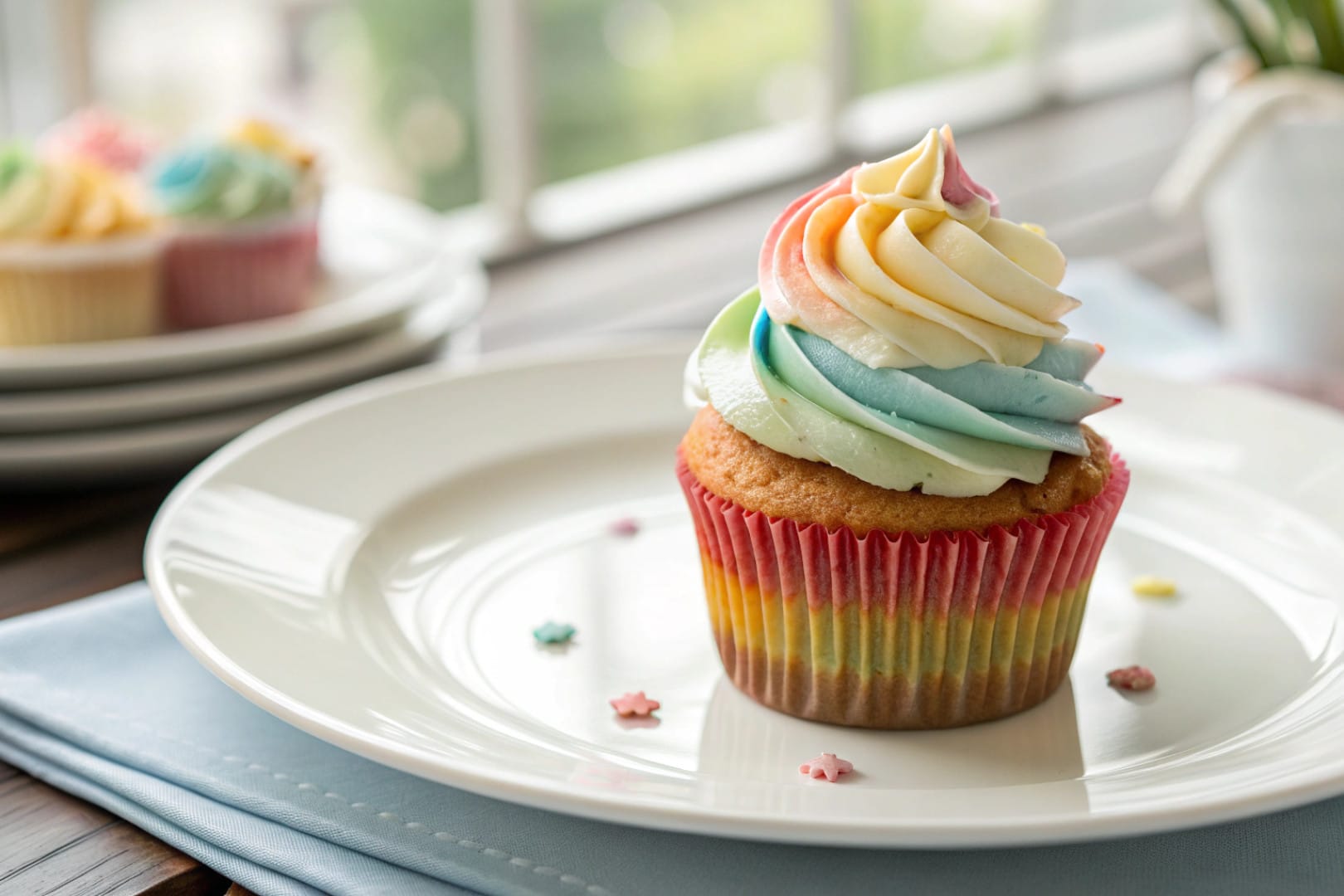
Table of Contents
Creating stunning frosting color cupcakes is the ultimate way to transform a simple dessert into a vibrant, edible work of art. I remember the first time I tried to make them for my niece’s birthday, and let’s just say the results were more “abstract expressionism” than “precise pastry.” The journey from that colorful disaster to mastering the craft taught me everything about the science and soul of perfect cupcake decorating. This guide will share those hard-earned secrets with you. We’re going to explore the complete method for achieving bakery-quality results right in your own kitchen. Forget the stress and guesswork that often comes with tinting buttercream. You’ll discover the proven techniques that make all the difference. Get ready to create the most beautiful and delicious frosting color cupcakes you’ve ever made.
The Ultimate 5-Step Method for Perfect Frosting Color Cupcakes
Mastering the art of colorful cupcakes requires a systematic approach. Many bakers jump straight to the food coloring without proper preparation. This leads to inconsistent shades and a frustrating experience. Following a structured method ensures your frosting color cupcakes turn out perfectly every single time.
First, always start with a pure white buttercream base. Any yellow tinge from your butter will distort your final colors. Using a clear vanilla extract can help maintain that bright white canvas. This foundational step is non-negotiable for achieving vibrant, true-to-color results. It’s the secret pros don’t always mention.
The type of food coloring you use is a complete game-changer. Gel and paste colors are far superior to liquid varieties for achieving deep, rich hues. The FDA regulates color additives used in foods, ensuring their safety for consumption. This means you can decorate with confidence, knowing your creations are both beautiful and safe to eat. IMO, investing in a quality gel color set is the best decision a decorator can make.
Ingredients
- 1 cup unsalted butter, softened
- 4 cups powdered sugar, sifted
- 3 tablespoons heavy cream or milk
- 1 teaspoon clear vanilla extract
- 1/4 teaspoon fine sea salt
- Gel or paste food coloring in your desired shades
- 12 baked and cooled cupcakes
Instructions
- In a large mixing bowl, beat the softened butter on medium speed for 3 minutes until it is light and fluffy. Scrape down the sides of the bowl to ensure everything is incorporated evenly. This creaming process is crucial for a smooth frosting base.
- Gradually add the sifted powdered sugar, one cup at a time, mixing on low speed. Once all the sugar is added, increase the speed to medium and beat for two more minutes. The mixture will be thick and pale.
- Pour in the heavy cream, clear vanilla extract, and salt. Beat on high speed for 3-4 minutes until the frosting is incredibly light and airy. You should see a noticeable increase in volume for a fluffy texture.
- Divide the white frosting into separate smaller bowls depending on how many colors you plan to make. Use a toothpick to add a tiny amount of gel food coloring to each portion. Fold it in gently with a spatula at first, then mix fully.
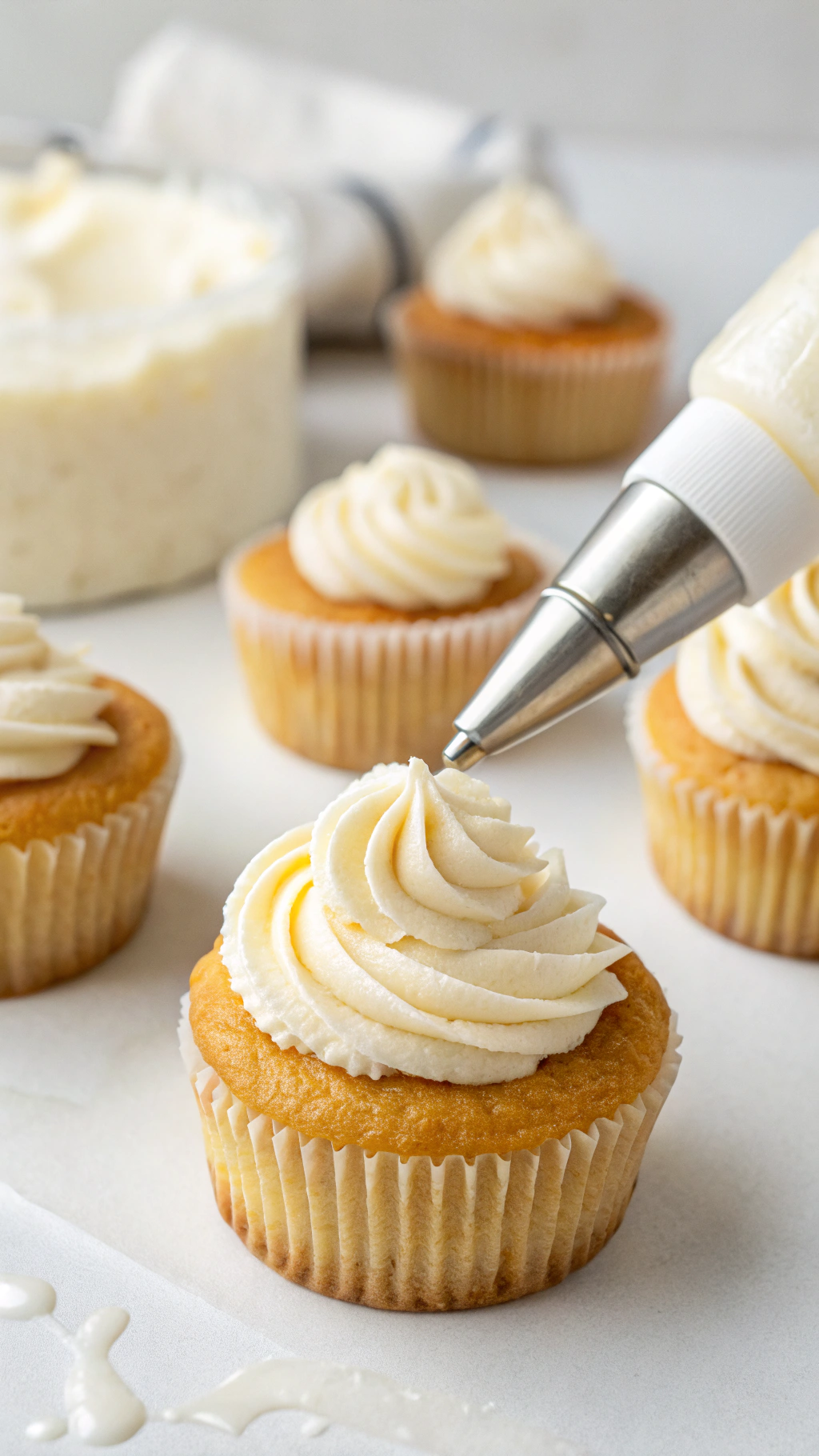
- Transfer your colored frostings to piping bags fitted with your favorite tips. Pipe onto completely cooled cupcakes in your desired style. Allow the frosting color cupcakes to set for 30 minutes before serving or storing.
Pro Tips for Flawless Color
Building intensity slowly is the golden rule of coloring frosting. You can always add more color, but you can’t take it away. Start with a tiny dot of gel color on the tip of a toothpick. Mix it in thoroughly and assess the shade before adding more. This patient approach saves frosting and prevents wasted ingredients.
Understanding color theory will elevate your designs from good to incredible. Complementary colors, like blue and orange, can create dynamic contrasts. Analogous colors, like different shades of pink and purple, offer a harmonious and elegant look. Keep a simple color wheel handy for inspiration. TBH, this little trick makes your creations look professionally designed.
For deep, dark colors like black or red, allow the frosting to rest. After mixing in the color, cover the bowl and let it sit for a few hours or even overnight. The color will deepen and develop over time. For more ideas, check out our guide on Bloody Drip Frosting Technique. This prevents you from using excessive food coloring, which can affect the frosting’s taste and consistency. It’s a game-changing patience hack.
7 Incredible Benefits of Mastering Colorful Cupcakes
Learning to create perfect frosting color cupcakes offers rewards that go far beyond a pretty dessert. The skills you develop translate to many other areas of baking and creative expression. It’s a surprisingly versatile and valuable kitchen competency.
First, you gain the ability to create custom desserts for any occasion. Match your frosting to specific party themes, school colors, or holiday palettes. This personal touch makes celebrations more memorable and special. Your treats will be the talk of every event, guaranteed.
You also develop a greater understanding of food science. The process teaches you how ingredients interact and how texture affects color absorption. This knowledge makes you a more intuitive and skilled baker overall. For more ideas, check out our guide on coconut cupcakes. You’ll start noticing improvements in all your baked goods, not just your cupcakes.
According to resources from the experts at King Arthur Baking, proper frosting technique is fundamental to pastry arts. Mastering colored buttercream provides a solid foundation for more advanced decorating skills. You are essentially building a core competency that opens doors to cake decorating, cookie art, and other pastry techniques. It’s a fantastic stepping stone in your culinary journey.
- Total Customization: Match any color scheme or theme imaginable.
- Enhanced Creativity: Express yourself through edible art.
- Cost Savings: Avoid expensive bakery prices for custom orders.
- Skill Development: Build foundational pastry decorating techniques.
- Impressive Results: Create professional-looking desserts at home.
- Educational Fun: A great activity to do with kids or friends.
- Edible Gifts: Give personalized, heartfelt presents for any occasion.
5 Common Mistakes to Avoid
Even experienced bakers can stumble when working with food coloring. Being aware of these common pitfalls will save you time, ingredients, and frustration. Learn from my early mistakes so you don’t have to make them yourself.
- Using Liquid Food Coloring: This adds too much moisture and dilutes your frosting, leading to a runny consistency and pastel colors.
- Starting with Yellow Buttercream: Using butter that is too yellow will create muddy, off-tone colors instead of bright, clean hues.
- Overmixing After Coloring: Aggressive mixing can incorporate too many air bubbles, giving your frosting a foamy, less-smooth texture.
- Coloring Warm Frosting: Heat intensifies color, so if your frosting is warm, the color will darken significantly as it cools, often too much.
- Not Testing the Color: Frosting color can look different once piped. Always do a small test swipe on a cupcake or plate to see the final shade.
Amazing Alternatives and Variations
If you want to explore beyond traditional buttercream, several fantastic alternatives work beautifully with food coloring. Swiss Meringue Buttercream offers a silky-smooth texture and less-sweet flavor profile. For more ideas, check out our guide on perfect cupcakes guide,guide. It takes color brilliantly and is perfect for those who find American buttercream too rich.
Cream Cheese Frosting provides a tangy contrast that pairs wonderfully with red velvet or spice cupcakes. Just note that its slight off-white color will affect your final hues. For a dairy-free option, a vegan buttercream made with plant-based butter and powdered sugar works wonderfully. The coloring process remains exactly the same.
For a naturally colorful approach, consider using fruit or vegetable powders. Freeze-dried raspberry powder creates a gorgeous pink, while spirulina or matcha can provide beautiful greens. These alternatives offer subtle color and a hint of flavor, though they won’t achieve the same vibrant intensity as gel food colorings.
Frequently Asked Questions
What is the best type of food coloring for frosting color cupcakes?
Gel or paste food coloring is definitively the best choice. They are highly concentrated, so you need less product to achieve vibrant colors. This prevents altering the frosting’s consistency, which is a common problem with liquid food dyes.
How can I make black frosting without using a whole bottle of coloring?
Start with a chocolate frosting base to get a head start on a dark color. Then, add a black gel color and let the frosting rest for several hours. The color will deepen naturally over time, reducing the amount of dye you need.
Why did my red frosting turn out pink?
This usually happens when you start with a buttercream that isn’t pure white or when you don’t use enough color. For a true red, use a neutral base and a color specifically labeled “No-Taste Red,” and be prepared to use more gel than you might expect.
Can I mix different food colorings to create custom shades?
Absolutely! Mixing colors is the best way to create unique, custom shades. Remember basic color theory—blue and yellow make green, red and blue make purple. Always mix a small test batch first to perfect your custom color.
How far in advance can I make my frosting color cupcakes?
You can frost the cupcakes up to two days in advance if stored in an airtight container in the refrigerator. For the best texture and flavor, let them come to room temperature for about an hour before serving.
Is it possible to fix frosting if I add too much food coloring?
Yes, you can often fix it by doubling the batch of plain, uncolored frosting and mixing it into the over-colored batch. This will lighten the shade while maintaining the correct frosting consistency.
Do gel food colors alter the taste of the frosting?
High-quality gel colors are typically flavorless when used in moderation. However, very dark colors that require a large amount of dye can sometimes leave a slight chemical aftertaste, which is why using a concentrated product is so important.
Final Thoughts
Mastering the art of frosting color cupcakes unlocks a world of creative possibilities in your kitchen. It’s a skill that impresses at birthdays, holidays, and everyday treats alike. The process is deeply rewarding, blending technical skill with artistic expression.
Remember that practice and patience are your greatest tools. Don’t be discouraged if your first attempts aren’t perfect. Every batch teaches you something new. For further inspiration and advanced techniques, explore the incredible resources available from the Wikipedia page on icing and its various types. Now, grab your piping bag and start creating your own vibrant masterpiece frosting color cupcakes. Your next batch is going to be your best yet.

Ben is a 41-year-old baking educator and former bakery owner from Kansas City, Missouri. With a culinary degree and years of hands-on experience, he specializes in teaching approachable, science-based baking. He once recreated a 17th-century cupcake recipe for a historical food documentary.


One Comment