Easy Recipe Cupcakes Tutorial for Perfect Results
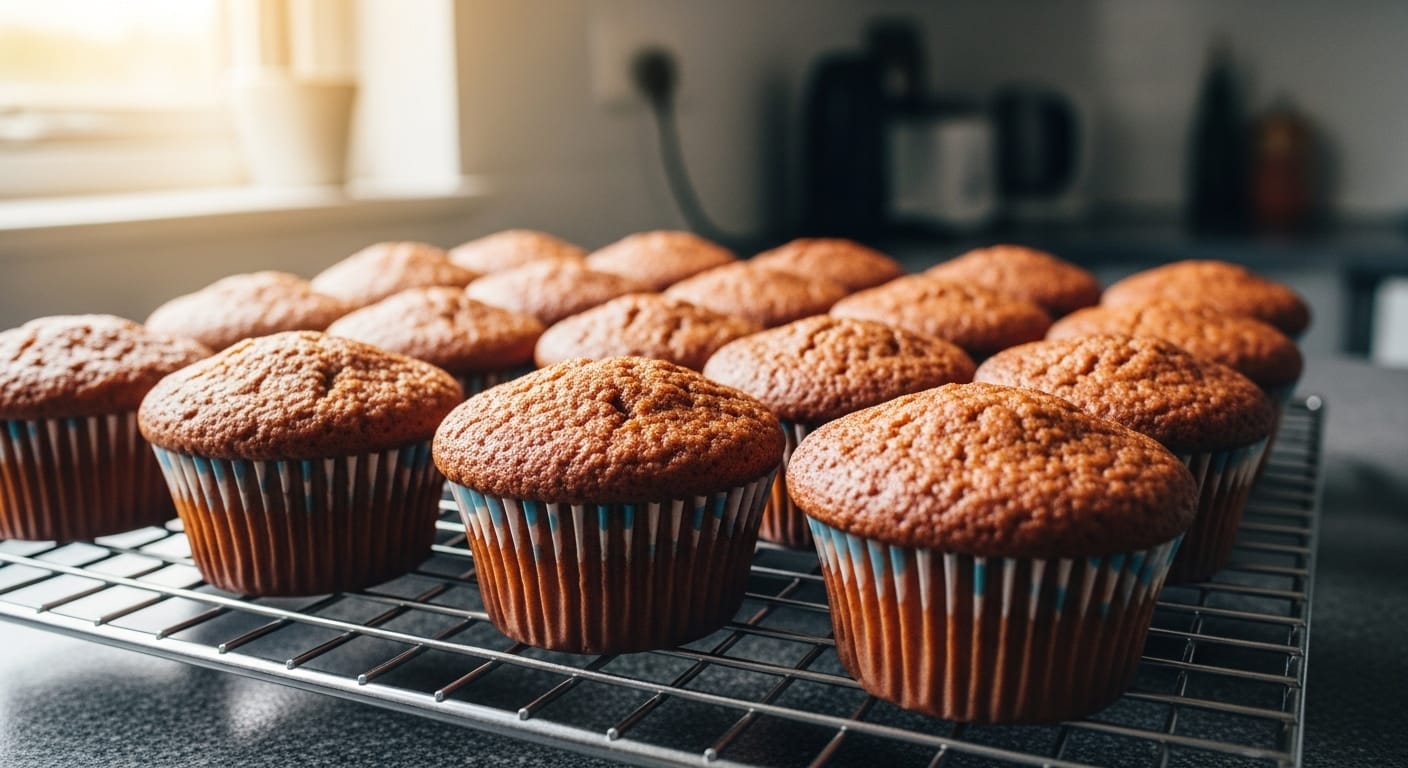
Table of Contents
Welcome to the ultimate recipe cupcakes tutorial that will transform your baking game forever. This recipe cupcakes tutorial is designed for both beginners and experienced bakers seeking perfection. I remember my first cupcake disaster vividly. They were dense, dry little hockey pucks that even the dog refused. But through years of trial and error, I’ve perfected a method that guarantees fluffy, moist cupcakes every single time. This recipe cupcakes tutorial will guide you through every crucial step. You’ll learn professional techniques used in top bakeries. Get ready to create cupcakes that look and taste absolutely incredible. Your friends and family will be begging for your secret.
The Ultimate 5-Step Method for Perfect Cupcakes in 2025
Mastering the art of cupcake baking requires understanding the science behind the ingredients. The creaming method, where you beat butter and sugar until light and fluffy, is the foundation for a perfect crumb. This process incorporates air into the batter, which expands in the oven for that sought-after lift. Many home bakers rush this step, leading to dense results.
Temperature is another critical factor often overlooked. Using room-temperature ingredients is non-negotiable for a smooth, emulsified batter. Cold eggs or milk can cause the creamed butter to seize up, creating a curdled mixture. This is one of the most common pitfalls in any recipe cupcakes tutorial. For a deep dive into the food science, the King Arthur Baking guide offers fantastic insights.
Precision in measuring is what separates good cupcakes from great ones. I highly recommend using a digital kitchen scale for accuracy. Scooping flour directly from the bag can pack it down, adding up to 25% more flour than intended. For more ideas, check out our guide on coconut flour cupcakes,coconut flour. This simple mistake is the primary culprit for dry, tough cupcakes. Following this recipe cupcakes tutorial with careful measurement will ensure consistent, bakery-quality results every time you bake.
Ingredients
- 1 ½ cups (180g) all-purpose flour, spooned and leveled
- 1 ½ teaspoons baking powder
- ¼ teaspoon fine sea salt
- ½ cup (115g) unsalted butter, at room temperature
- 1 cup (200g) granulated sugar
- 2 large eggs, at room temperature
- 2 teaspoons pure vanilla extract
- ½ cup (120ml) whole milk, at room temperature
Instructions
- Preheat your oven to 350°F (175°C). Line a 12-cup muffin tin with high-quality paper liners. This prevents sticking and gives a professional finish.
- In a medium bowl, whisk together the flour, baking powder, and salt. This crucial step aerates the dry ingredients and ensures even distribution of the leavening agent.
- In a separate large bowl, use an electric mixer to cream the butter and sugar on medium-high speed for 3-4 minutes. The mixture should be pale, light, and fluffy. This is the most important step in the entire recipe cupcakes tutorial.
- Add the eggs one at a time, beating well after each addition. Mix in the vanilla extract. Scrape down the sides of the bowl to ensure everything is incorporated.
- With the mixer on low speed, alternately add the dry ingredients and the milk, beginning and ending with the dry ingredients. Mix until just combined. Do not overmix!
- Divide the batter evenly among the prepared muffin cups, filling each about two-thirds full. This allows space for the cupcakes to rise beautifully without overflowing.
- Bake for 18-22 minutes, or until a toothpick inserted into the center comes out clean. Rotate the pan halfway through baking for even browning.
- Let the cupcakes cool in the pan for 5 minutes before transferring them to a wire rack to cool completely before frosting.
Storage and Freshness Tips
Proper storage is key to maintaining that just-baked texture. Unfrosted cupcakes can be stored in an airtight container at room temperature for up to two days. For longer storage, IMO, freezing is your best friend. Wrap cooled cupcakes individually in plastic wrap and place them in a freezer bag. They will keep for up to three months. Thaw at room temperature before serving.
Frosted cupcakes should always be refrigerated due to the dairy in the buttercream. However, bring them to room temperature before serving for the best flavor and texture. The cold can mute the vanilla and make the cake denser. Avoid storing cupcakes in direct sunlight or a warm kitchen. The frosting can melt and the cake can dry out quickly.
7 Incredible Benefits of Mastering This Recipe
Why spend time perfecting this recipe cupcakes tutorial? The rewards go far beyond just a tasty treat. First, you gain complete control over the ingredients. You can avoid artificial preservatives and excessive sugar found in store-bought versions. For more ideas, check out our guide on cinnamon sugar cupcakes. Homemade always tastes fresher and more authentic. Second, baking is a fantastic creative outlet. Decorating cupcakes allows for personal expression and can be a relaxing, meditative activity.
Third, it’s a cost-effective way to provide desserts for parties, birthdays, and school events. A batch of homemade cupcakes costs a fraction of the price from a bakery. Fourth, it’s a valuable life skill you can pass down to children or share with friends. Fifth, you can easily customize flavors and cater to dietary needs. The FDA’s safe food handling practices are essential to review when baking for others.
Sixth, a beautifully presented cupcake is a wonderful gift that shows you care. Seventh, the sense of accomplishment you get from pulling a perfect batch out of the oven is genuinely uplifting. Following a detailed recipe cupcakes tutorial builds confidence in the kitchen that transfers to other types of baking.
5 Common Pitfalls to Avoid
- Overmixing the Batter: This develops the gluten in the flour, leading to tough, rubbery cupcakes. Mix until the ingredients are just combined.
- Using Cold Ingredients: Cold butter and eggs don’t emulsify properly. Always plan ahead to bring everything to room temperature for a silky batter.
- Overfilling the Liners: Filling more than two-thirds full guarantees a messy overflow. Use a cookie scoop for perfectly even portions every time.
- Overbaking: Set a timer! Even one minute too long can dry out your cupcakes. The toothpick test is your best friend.
- Frosting Warm Cupcakes: This is a recipe for melted, sliding frosting. TBH, patience is a virtue here. Wait until they are completely cool.
Delicious Variations and Alternatives
The basic vanilla cupcake from this recipe cupcakes tutorial is a perfect canvas for creativity. For a chocolate version, simply replace ¼ cup of the flour with unsweetened cocoa powder. You can add ½ cup of sprinkles to the batter for funfetti cupcakes. For more ideas, check out our guide on moist cupcakes tutorial. For a citrus twist, add the zest of one lemon or orange to the butter during the creaming step.
For dietary restrictions, several swaps work well. A 1:1 gluten-free flour blend can be used in place of all-purpose flour. For a dairy-free version, use plant-based butter and milk. To make egg-free cupcakes, a commercial egg replacer or ¼ cup of applesauce per egg can be effective. Always test one cupcake first when making significant substitutions.
Frequently Asked Questions
Find answers to common questions
Final Thoughts
This comprehensive recipe cupcakes tutorial provides everything you need for baking success. Remember, the key is in the details: room-temperature ingredients, proper creaming, and careful baking. Don’t be discouraged by a less-than-perfect first batch. For more ideas, check out our guide on cupcake baking method,baking. Baking is a skill that improves with practice. Each attempt brings you closer to cupcake mastery.
I encourage you to use this foundation to get creative with flavors and decorations. For further inspiration on baking techniques and flavor pairings, explore the resources at The Baking Industry Alliance. Now, preheat that oven and start your next baking adventure with confidence. Happy baking!

Ben is a 41-year-old baking educator and former bakery owner from Kansas City, Missouri. With a culinary degree and years of hands-on experience, he specializes in teaching approachable, science-based baking. He once recreated a 17th-century cupcake recipe for a historical food documentary.