Best coconut flour cupcakes
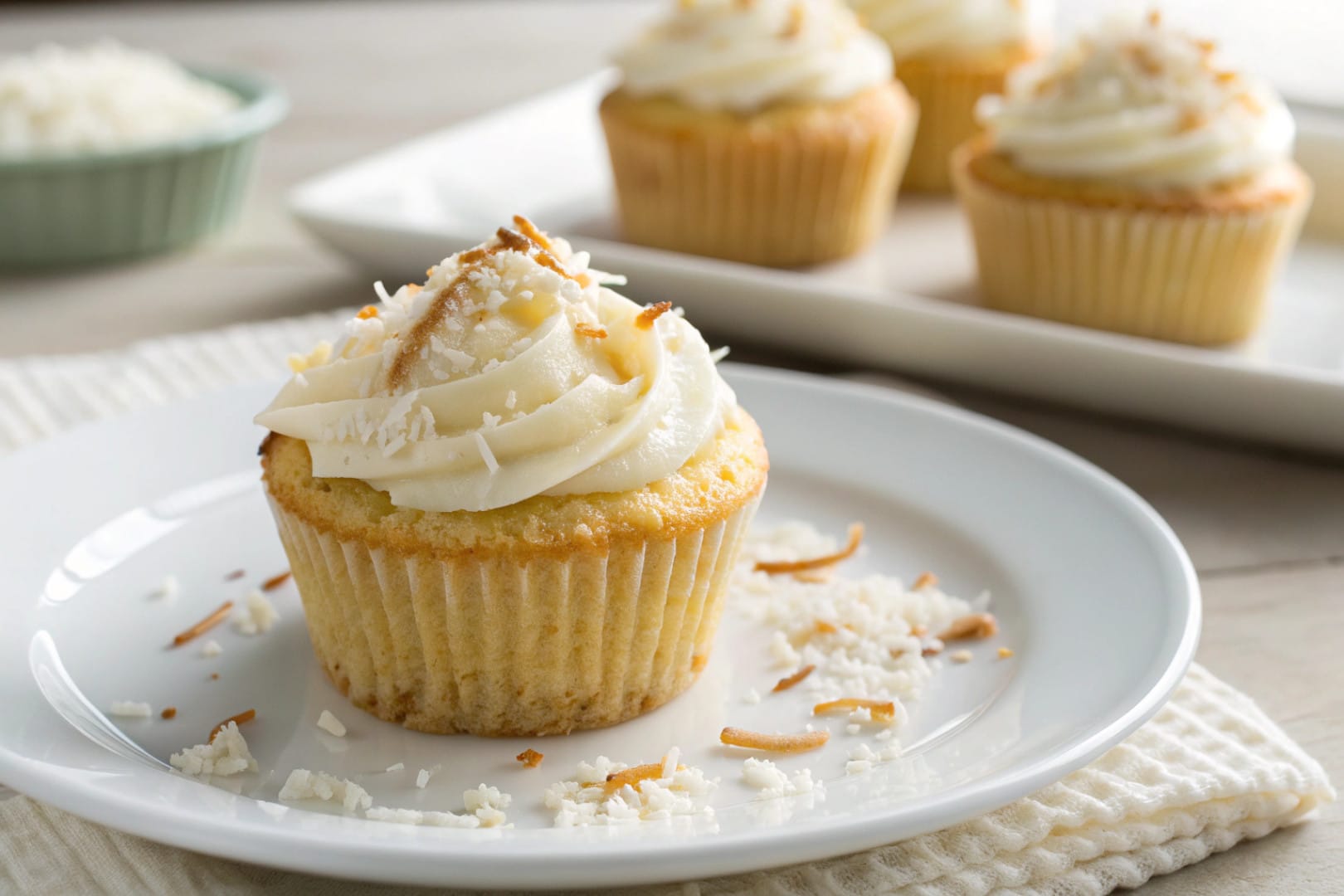
Table of Contents
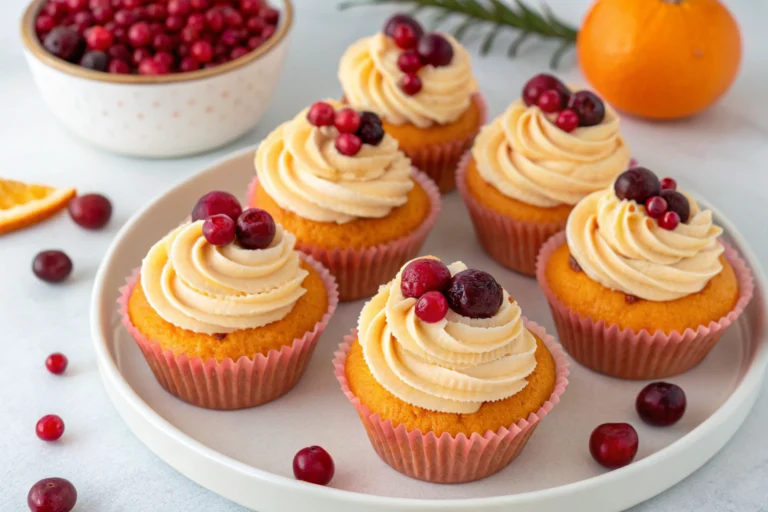
If you’re searching for the perfect gluten-free treat, look no further than coconut flour cupcakes. These delightful little cakes are a game-changer for anyone with dietary restrictions or anyone simply craving a lighter, more flavorful dessert. I remember the first time I baked a batch; my kitchen smelled like a tropical paradise, and the results were so moist and tender, no one believed they were grain-free. The unique properties of coconut flour create a baking experience unlike any other, yielding cupcakes that are naturally sweet and incredibly satisfying. Forget the dense, crumbly gluten-free baked goods of the past. This is your ultimate guide to creating the most amazing coconut flour cupcakes you’ve ever tasted. Let’s get ready to bake some magic.
The Ultimate 5-Step Method for Perfect Coconut Flour Cupcakes
Mastering the art of baking with coconut flour can seem daunting at first. This unique flour is highly absorbent, meaning it soaks up a lot more liquid than traditional wheat flour. But don’t let that intimidate you. The secret lies in understanding this characteristic and using it to your advantage. By following a proven method, you can achieve a light, airy texture that rivals any traditional cupcake. The key is balancing the wet and dry ingredients perfectly. This method ensures your coconut flour cupcakes are consistently moist and never dry or gritty. For a deep dive into the science of this amazing ingredient, check out this resource from the Coconut Research Center.
Why does this method work so well? It eliminates the common guesswork associated with alternative flours. Each step is designed to build structure and incorporate air, which is crucial for the perfect rise. You’ll be amazed at how simple techniques can transform a handful of ingredients into a spectacular dessert. This approach is a game-changer for home bakers of all skill levels. Get ready to impress yourself and everyone around you with your new baking prowess.
Ingredients
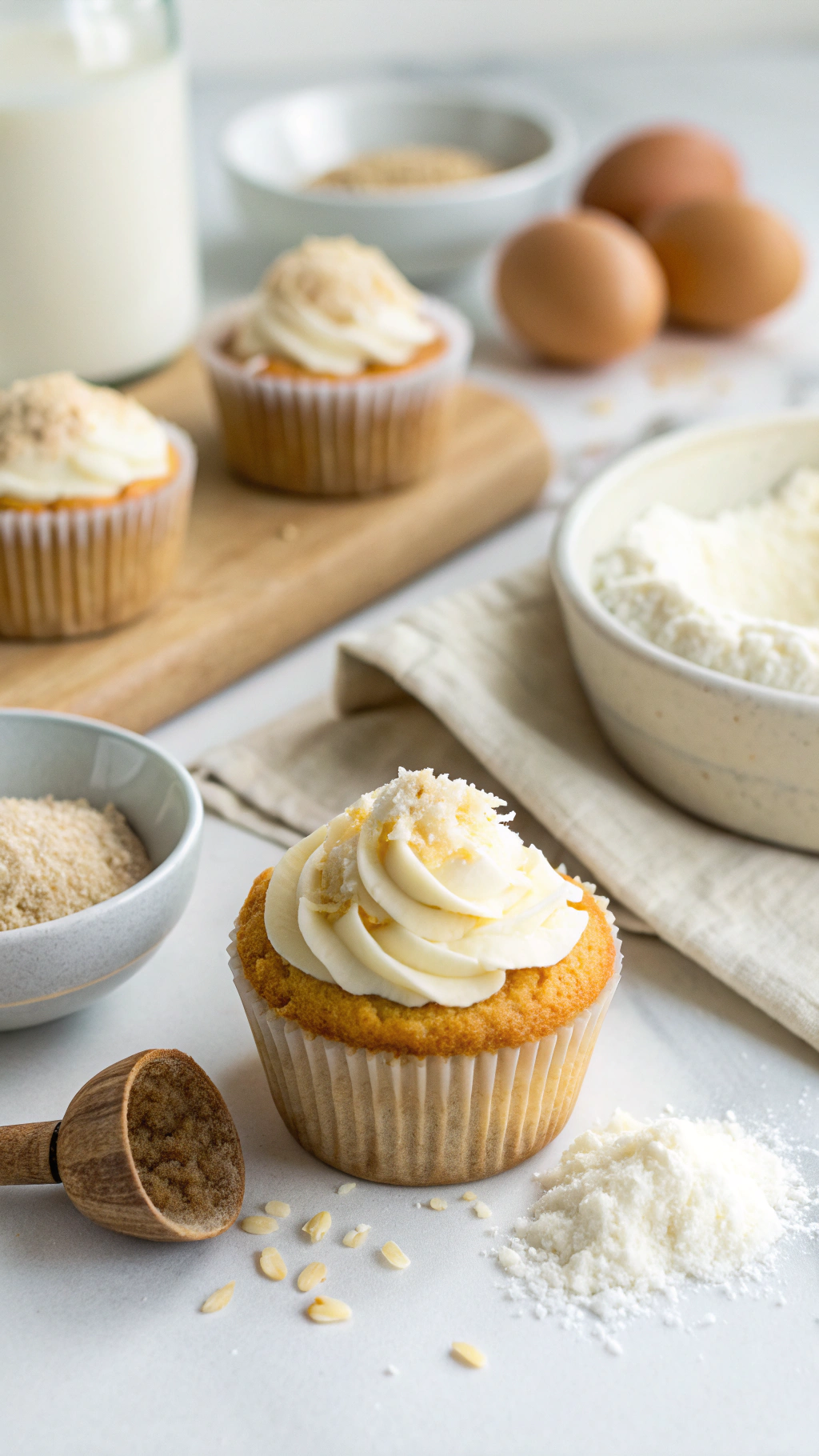
- 1/2 cup coconut flour
- 1/2 cup coconut oil, melted (or butter)
- 6 large eggs, at room temperature
- 1/2 cup honey or maple syrup
- 1/4 cup unsweetened almond milk (or any milk)
- 1 teaspoon vanilla extract
- 1/2 teaspoon baking soda
- 1/4 teaspoon sea salt
Instructions
- Preheat your oven to 350°F (175°C) and line a muffin tin with 9-10 cupcake liners. This recipe doesn’t rise as much as traditional ones, so filling the liners a bit more is perfectly fine.
- In a large mixing bowl, whisk together the coconut flour, baking soda, and salt. Ensuring there are no lumps is crucial for a smooth batter, so take your time with this step. A few extra seconds of whisking makes all the difference.
- In a separate bowl, combine the melted coconut oil, honey, eggs, almond milk, and vanilla extract. Whisk vigorously until the mixture is smooth and fully emulsified. This incorporates air and helps with the final texture of your cupcakes.
- Gradually pour the wet ingredients into the dry ingredients. Stir with a spatula until a thick, uniform batter forms. Let the batter rest for 5 minutes. This is the magic step that allows the coconut flour to fully hydrate.
- Divide the batter evenly among the prepared cupcake liners. Bake for 18-22 minutes, or until the tops are golden and a toothpick inserted into the center comes out clean. Allow them to cool completely before frosting.
Storage Tips
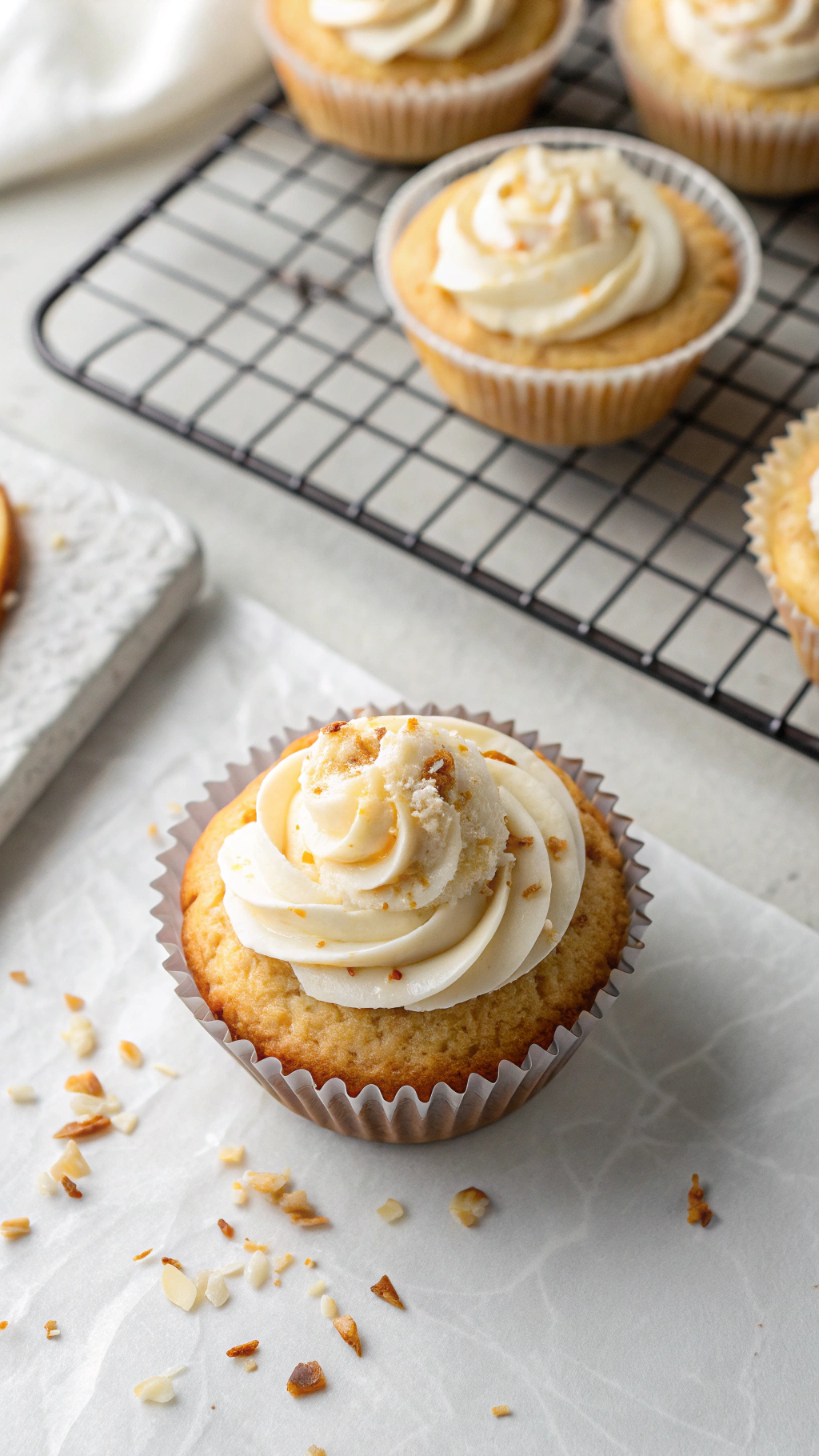
To keep your cupcakes fresh, store them in an airtight container at room temperature for up to 2 days. For longer storage, I highly recommend refrigerating them for up to a week. The cool temperature helps maintain their moisture beautifully. You can also freeze these cupcakes for up to 3 months. For more ideas, check out our guide on Smash Cake vs. Cupcake,Smash Cake. Just wrap them individually in plastic wrap and place them in a freezer bag. Thaw at room temperature whenever a craving strikes. This makes them a perfect make-ahead dessert for busy weeks.
7 Incredible Benefits of Coconut Flour Cupcakes
Choosing to bake with coconut flour isn’t just about dietary needs; it’s a conscious choice for a healthier lifestyle. These cupcakes pack a powerful nutritional punch that standard desserts simply can’t match. The benefits extend far beyond just being gluten-free, making them a smart choice for anyone. You’re not just eating a cupcake; you’re fueling your body with better ingredients. Here are the top advantages that make these treats revolutionary.
- Naturally Gluten-Free: Perfect for those with celiac disease or gluten sensitivity, offering a safe and delicious alternative.
- High in Fiber: Coconut flour is packed with dietary fiber, which aids in digestion and helps you feel fuller for longer. The Harvard School of Public Health explains the extensive benefits of a high-fiber diet.
- Blood Sugar Friendly: It has a lower glycemic index than wheat flour, helping to prevent sharp spikes in blood sugar levels.
- Packed with Protein: These cupcakes provide a more substantial protein content, turning a dessert into a more balanced snack.
- Rich in Healthy Fats: Using coconut oil and the natural fats in the flour supports energy levels and nutrient absorption.
- Grain-Free and Paleo-Friendly: They fit perfectly into Paleo, Primal, and other grain-free eating plans without sacrificing flavor.
- Uniquely Delicious Flavor: They offer a subtly sweet, tropical taste that is far more interesting than a standard vanilla cupcake.
5 Common Mistakes to Avoid
Even experienced bakers can run into issues when switching to coconut flour. The most common error is trying to substitute it 1:1 for regular flour. TBH, that’s a recipe for disaster. Coconut flour is in a league of its own and requires a specific ratio of wet to dry ingredients. Another pitfall is skipping the batter rest time. This step is non-negotiable for achieving the right texture. Impatience here will lead to a gritty final product.
Overmixing the batter is another easy misstep. Once the wet and dry ingredients are combined, just mix until uniform. Excessive stirring can make the cupcakes tough. Forgetting to use room temperature eggs is a subtle mistake with big consequences. Cold eggs can cause the melted coconut oil to solidify, creating an uneven batter. For more ideas, check out our guide on carrot cake cupcakes. Finally, overbaking is the arch-nemesis of moisture. Set a timer and check early. These cupcakes are best when just set.
Amazing Alternatives and Variations
The basic recipe for coconut flour cupcakes is incredibly versatile. Feel free to get creative and make it your own. For a chocolate version, simply add 1/4 cup of cocoa powder to the dry ingredients. You can also fold in a handful of dairy-free chocolate chips or fresh blueberries into the batter before baking. For a citrus twist, add the zest of one lemon or orange. The bright flavor pairs wonderfully with the coconut’s sweetness.
If you need a nut-free option, simply swap the almond milk for coconut milk or oat milk. The recipe is naturally dairy-free if you stick with coconut oil. For a fun festive touch, add a teaspoon of cinnamon or pumpkin pie spice. The possibilities are truly endless, allowing you to customize these cupcakes for any season or occasion. IMO, experimenting is half the fun of baking.
Frequently Asked Questions
Find answers to common questions
Final Thoughts
Baking the perfect batch of coconut flour cupcakes is an achievable goal for any home baker. This guide provides all the tips and tricks you need for success. The unique flavor and health benefits make this dessert a true winner. I encourage you to try this recipe and experience the joy of gluten-free baking done right. For more inspiration on healthy baking, explore the resources at King Arthur Baking. Now, go preheat that oven and create something delicious. Your new favorite cupcake awaits!

Sophie is a 33-year-old holistic nutritionist and food scientist living in Portland, Oregon. Growing up in a multicultural home with dietary restrictions, she learned to create desserts that nourish as much as they delight. She’s led wellness retreats focused on clean, mindful baking.



3 Comments