Best frosting tutorial cupcakes
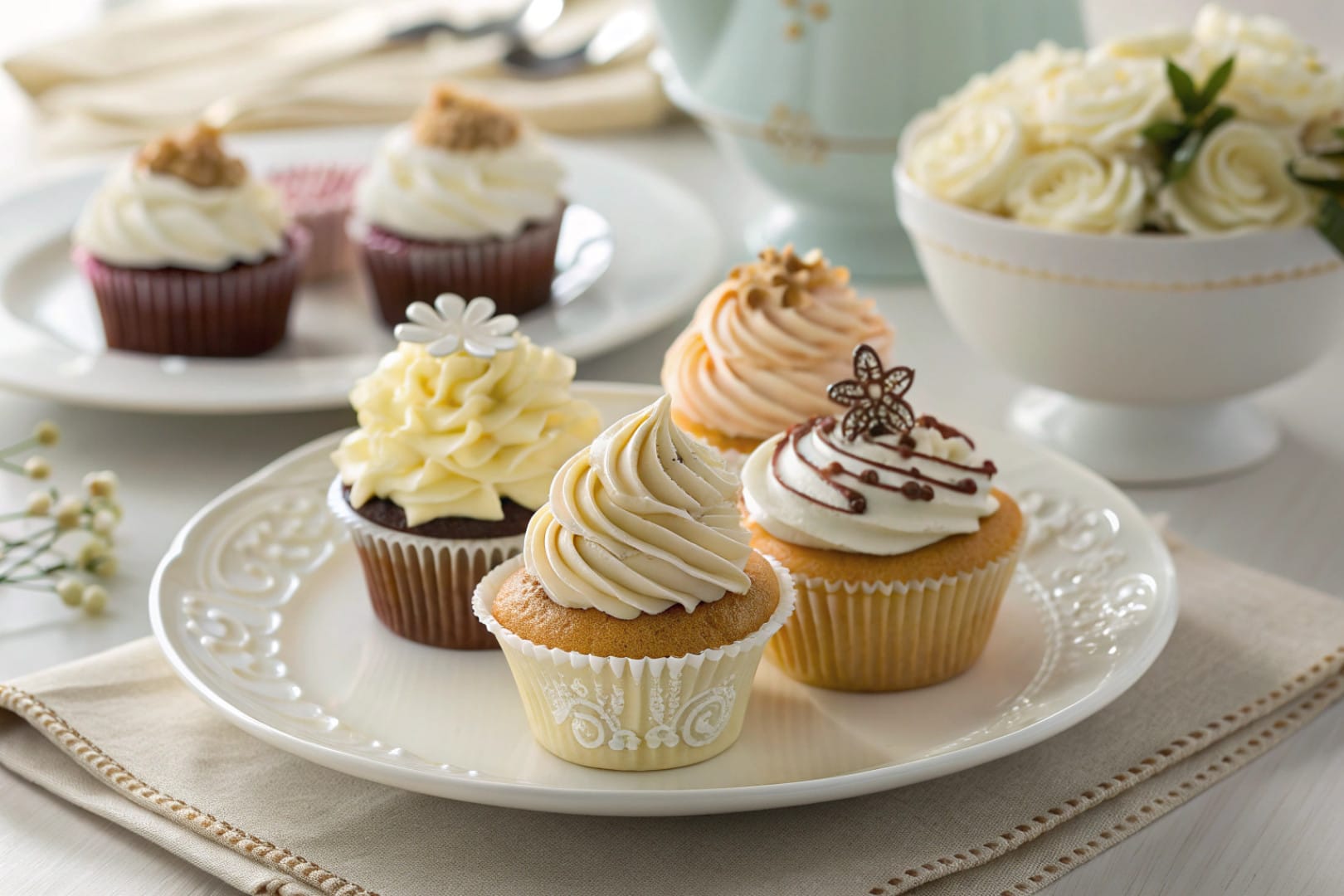
Table of Contents
Welcome to the ultimate frosting tutorial cupcakes guide that will transform your baking game forever. I remember my first cupcake disaster vividly, with frosting that looked more like a science experiment gone wrong than a delicious treat. That experience taught me that mastering the art of cupcake frosting requires more than just good ingredients. It demands proper technique, the right tools, and a bit of baking magic. This comprehensive frosting tutorial cupcakes will take you from beginner to pro decorator. You’ll learn professional techniques that make even the most elaborate designs achievable. Get ready to create stunning cupcakes that taste as incredible as they look.
Master Cupcake Frosting in 5 Revolutionary Steps
Many home bakers struggle with achieving that perfect bakery-style swirl on their cupcakes. The secret lies in understanding the science behind frosting consistency and temperature control. Professional bakers have spent years perfecting their techniques, but I’m going to share their secrets with you today. This frosting tutorial cupcakes method will revolutionize how you approach dessert decoration. You’ll discover why room temperature ingredients make all the difference in creating smooth, pipeable frosting. According to King Arthur Baking’s buttercream guide, the temperature of your butter directly impacts your frosting’s texture and stability.
Understanding these fundamental principles will elevate your baking skills significantly. The right technique can turn simple ingredients into edible works of art. I’ve tested these methods extensively in my own kitchen. They consistently produce professional-quality results that will impress even the most discerning dessert critics.
Ingredients
- 2 cups unsalted butter, room temperature
- 4 cups powdered sugar, sifted
- 2 teaspoons pure vanilla extract
- 3-4 tablespoons heavy cream or whole milk
- Pinch of fine sea salt
- Gel food coloring (optional)
- 12 perfectly baked and cooled cupcakes
Instructions
- Begin by beating room temperature butter in a stand mixer for 5 minutes until pale and fluffy. This crucial step incorporates air into your frosting, creating that light texture we all love.
- Gradually add sifted powdered sugar on low speed to avoid the inevitable sugar cloud. Once incorporated, increase to medium-high speed and beat for 3 minutes until perfectly smooth.
- Mix in vanilla extract, salt, and 3 tablespoons of cream. Scrape down the bowl thoroughly to ensure even mixing. Test the consistency by lifting your beater – the frosting should form soft peaks.
- If using food coloring, add gel colors gradually until you achieve your desired shade. Remember, colors intensify as the frosting sets, so go slightly lighter than your target color.
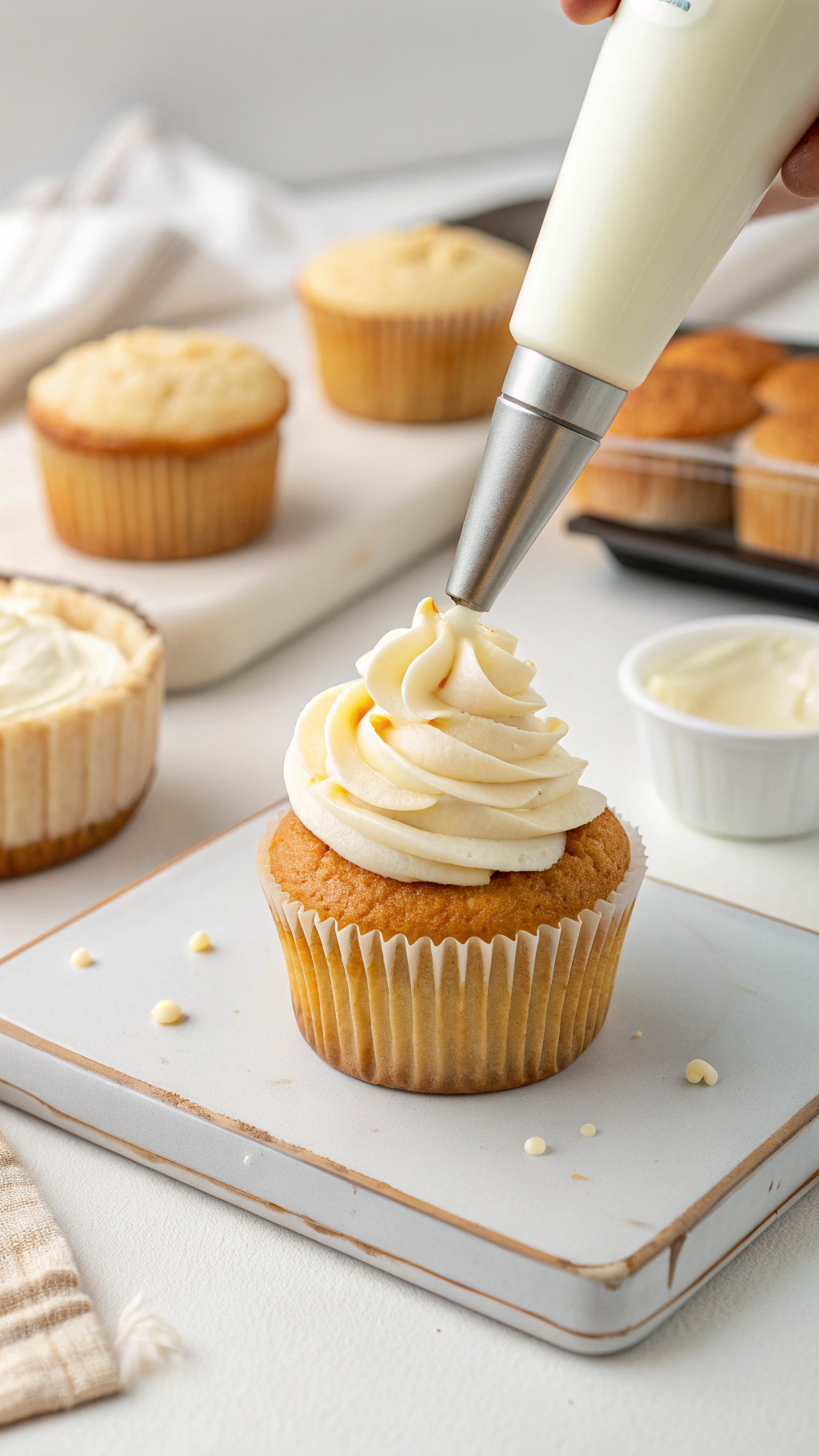
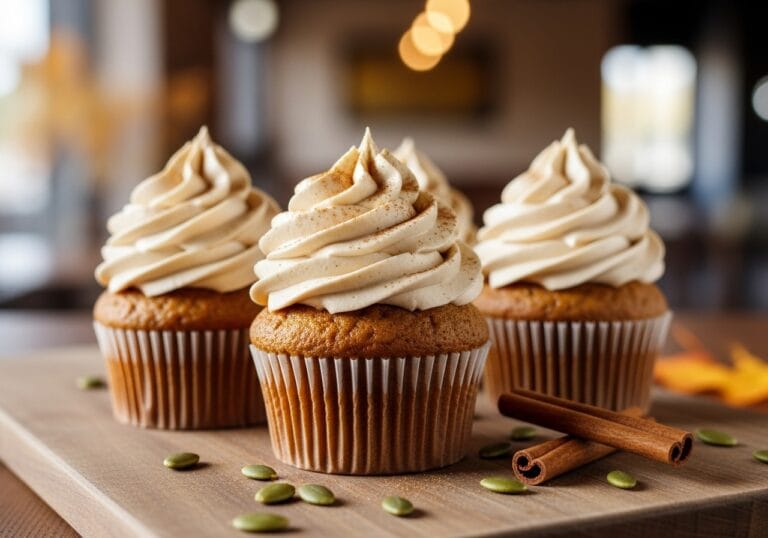
- Fit your piping bag with preferred tip and fill halfway with frosting. Twist the top securely and pipe onto cooled cupcakes using steady, even pressure. Practice makes perfect here!
Pro Tips for Perfect Results
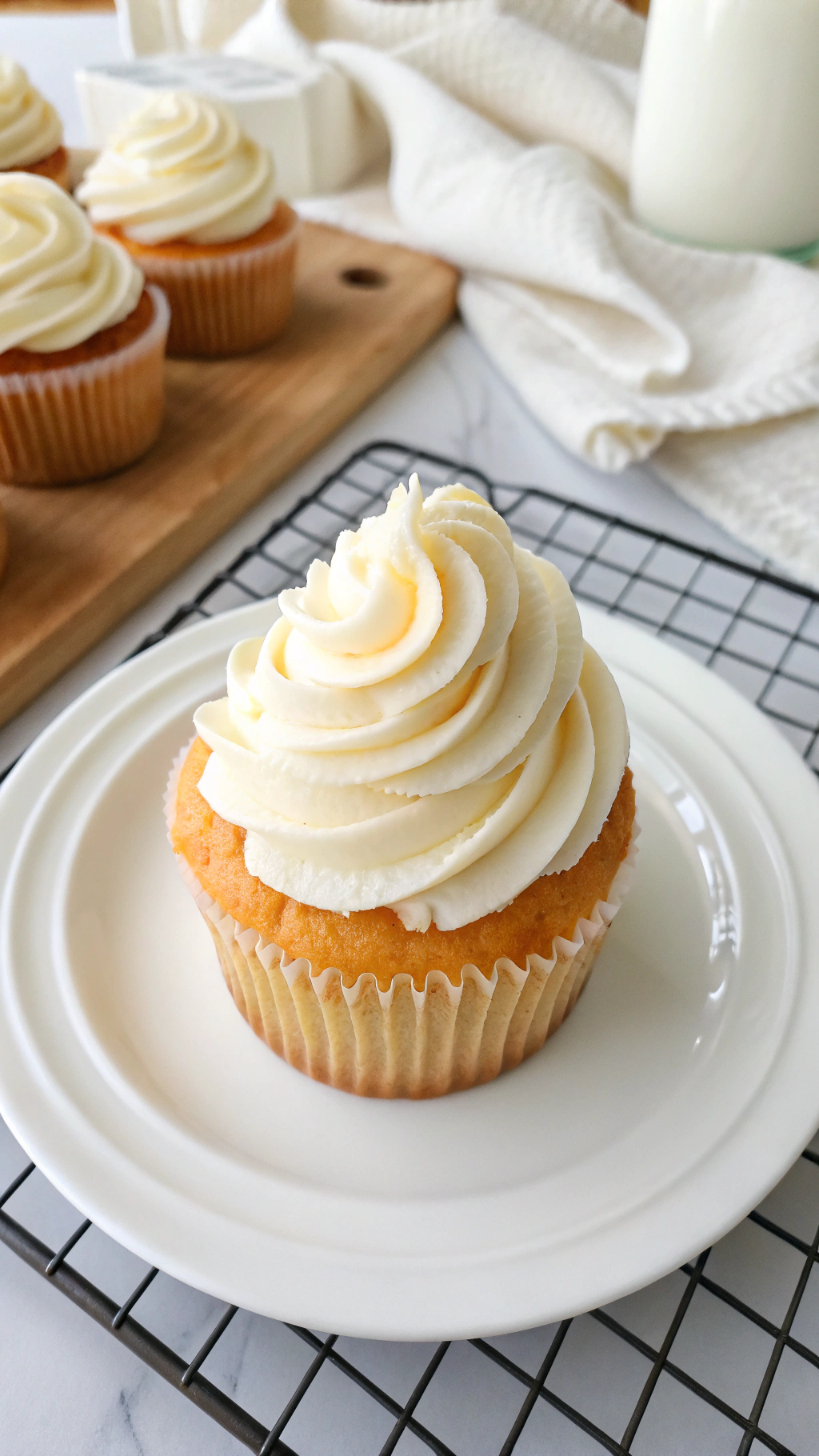
Always ensure your cupcakes are completely cool before frosting. Even slightly warm cupcakes will melt your beautiful buttercream creation. I learned this lesson the hard way during my early baking days. For more ideas, check out our guide on cream cheese cupcake frosting,cupcake. Chill your frosting for 15 minutes if your kitchen is particularly warm. This prevents the butter from separating and maintains perfect piping consistency.
Experiment with different piping tips to create various designs. Russian tips create stunning floral patterns with minimal effort. Star tips produce classic swirls that never go out of style. French tips are perfect for elegant, refined designs suitable for formal occasions.
7 Incredible Benefits of Mastering Cupcake Frosting
Learning proper frosting techniques opens up a world of creative possibilities in your kitchen. You’ll save money by creating professional-quality desserts at home. Homemade cupcakes taste significantly better than most store-bought versions. The USDA Food Safety guidelines emphasize proper ingredient handling for optimal results and safety.
- Create custom desserts for any occasion or dietary need
- Develop a rewarding creative outlet that produces edible art
- Save significant money compared to bakery prices
- Control exactly what goes into your desserts
- Impress friends and family with your newfound skills
- Potential to start a small home baking business
- Master a skill that brings joy to others through beautiful treats
5 Common Frosting Mistakes to Avoid
Using butter that’s either too cold or too soft remains the most common beginner error. Cold butter creates lumpy frosting, while melted butter produces greasy results. Adding liquid coloring instead of gel-based alternatives often leads to runny frosting. For more ideas, check out our guide on Two-tone frosting cupcakes,Cupcakes. Gel colors provide vibrant hues without altering consistency.
Overmixing can incorporate too much air, creating bubbles that ruin your smooth finish. undermixing leaves your frosting grainy from undissolved sugar. Always sift your powdered sugar to prevent this issue. Rushing the process typically leads to disappointing results. Good frosting requires patience and attention to detail.
Delicious Frosting Variations to Try
Chocolate lovers can add 3/4 cup sifted cocoa powder for rich chocolate buttercream. Cream cheese frosting pairs perfectly with red velvet or spice cupcakes. Simply replace half the butter with room temperature cream cheese. Swiss meringue buttercream offers a less sweet alternative with silky texture.
For dairy-free options, use high-quality vegetable shortening instead of butter. Add flavor extracts like almond, lemon, or coconut to create unique taste profiles. For more ideas, check out our guide on dairy free cupcakes,cupcakes. Fruit purees incorporate natural flavor and color, though they may require adjustment to liquid ratios.
Frequently Asked Questions
Find answers to common questions
Final Thoughts
This comprehensive frosting tutorial cupcakes provides everything you need to create stunning desserts. Remember that practice truly makes perfect when it comes to decoration techniques. Don’t get discouraged if your first attempts aren’t bakery-perfect. Each batch brings you closer to frosting mastery. The Wikipedia buttercream page offers additional historical context about this beloved frosting type.
Share your beautiful creations online using #frostingmaster. I’d love to see how this frosting tutorial cupcakes transforms your baking adventures. For more ideas, check out our guide on Cupcake decorating guide,Cupcake. Happy decorating, and may your cupcakes always be perfectly frosted!

Ben is a 41-year-old baking educator and former bakery owner from Kansas City, Missouri. With a culinary degree and years of hands-on experience, he specializes in teaching approachable, science-based baking. He once recreated a 17th-century cupcake recipe for a historical food documentary.



One Comment