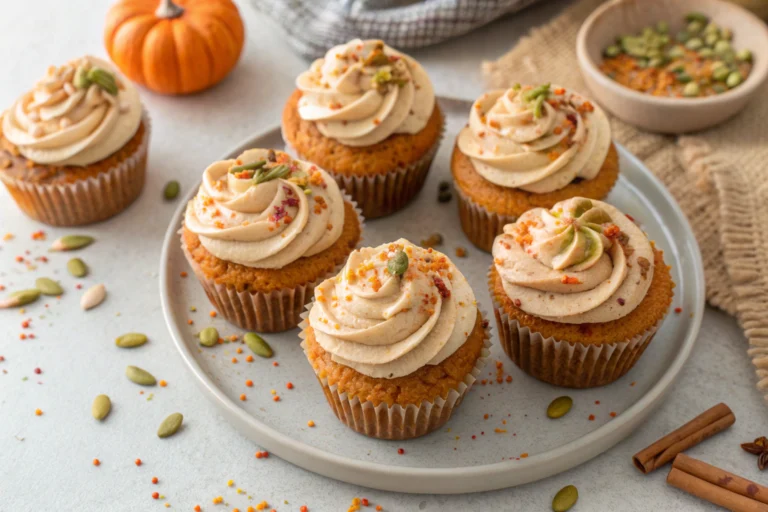
Best low calorie cupcakes
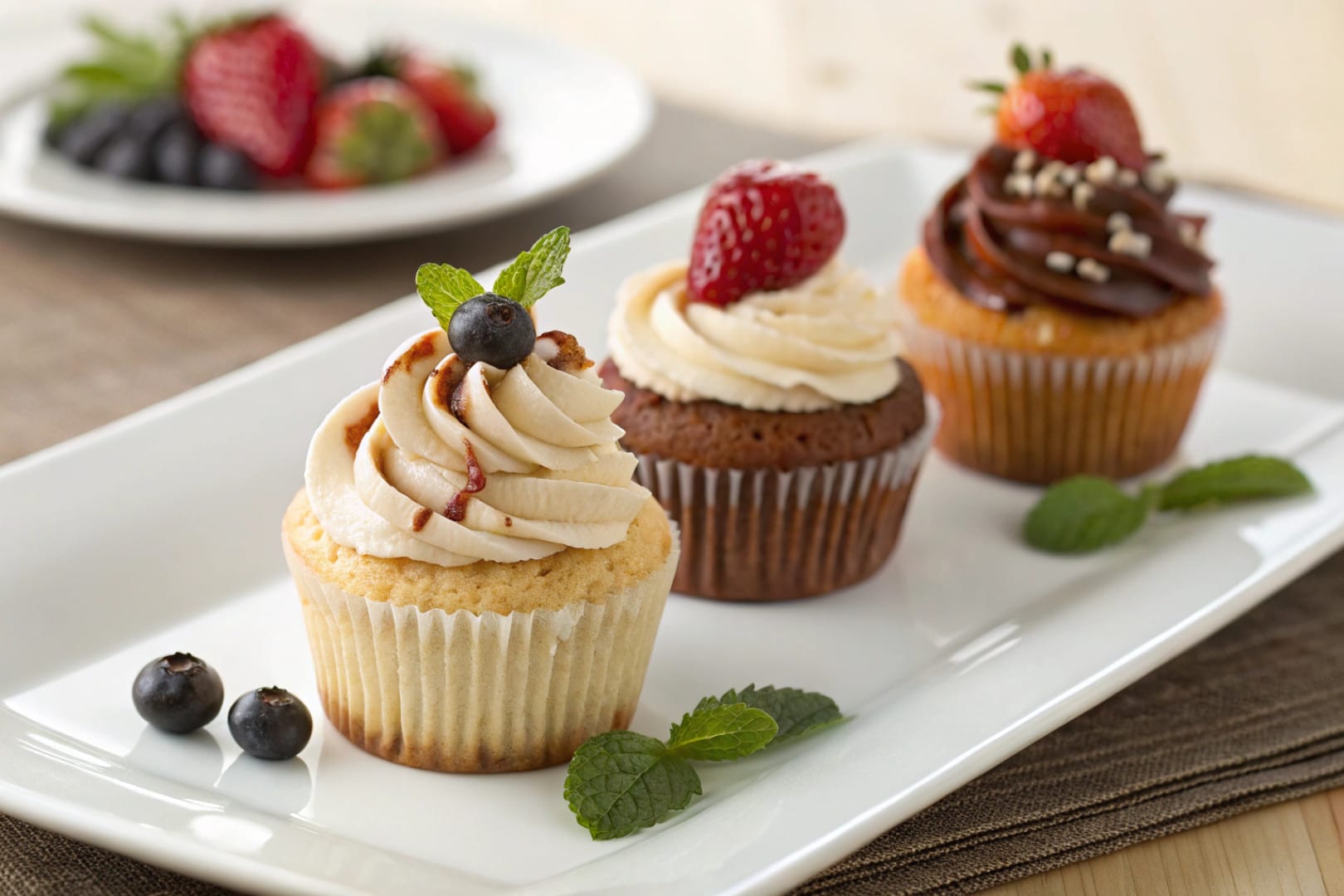
Table of Contents
If you’ve ever thought delicious low calorie cupcakes were just a fantasy, prepare to have your taste buds and your diet plan completely revolutionized. I remember staring longingly at bakery windows, convinced that satisfying my sweet tooth meant abandoning my health goals entirely. That all changed when I discovered the magic of smart ingredient swaps and clever baking techniques that transform traditional recipes into guilt-free indulgences. These aren’t just “diet” versions either – we’re talking about moist, fluffy, genuinely incredible treats that will make you forget they’re better for you. The journey to creating perfect low calorie cupcakes is easier than you think, and I’m here to guide you through every step. Get ready to become the hero of your next gathering or just your own afternoon snack time.
The Ultimate Guide to Baking Perfect Low Calorie Cupcakes in 2025
Mastering the art of light baking requires understanding the science behind traditional ingredients and their healthier alternatives. Many bakers struggle with dense, dry results when they simply remove sugar and fat without proper replacements. The secret lies in maintaining moisture and structure while reducing calories, which is absolutely achievable with the right approach. I’ve tested countless combinations to bring you methods that actually work without compromising on that classic cupcake experience we all crave.
Traditional cupcakes rely heavily on butter, sugar, and oil for their texture and flavor. When you reduce these elements, you need strategic substitutions that provide similar properties. Ingredients like applesauce, Greek yogurt, and ripe bananas can work wonders for moisture content. Meanwhile, natural sweeteners and flavor enhancers keep the taste profile satisfying and complex. The science of ingredient substitution has come incredibly far in recent years, giving us more options than ever before.
Your mindset matters just as much as your ingredients when approaching low calorie baking. Don’t think of these as “diet food” but rather as smart, modern versions of classics. The best low calorie cupcakes should stand on their own as delicious treats that happen to be better for you. For more ideas, check out our guide on Spooky Cupcake Ideas,Spooky Cupcake. With the techniques we’ll cover, you’ll create desserts that impress everyone – regardless of whether they’re watching their calorie intake. Trust me, after one bite of these creations, you’ll wonder why you ever settled for the heavy, sugar-loaded alternatives.
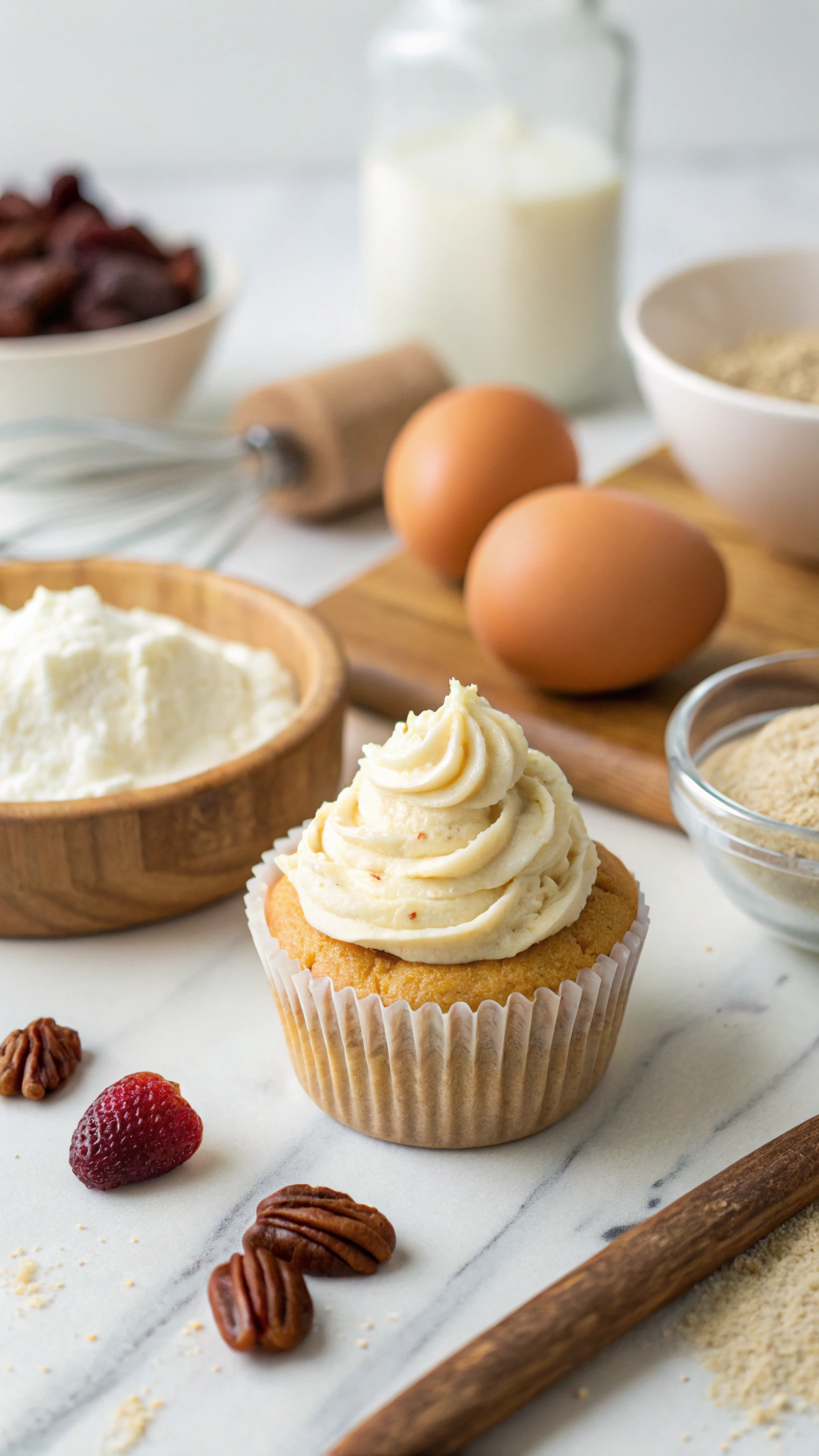
Ingredients
- 1 cup whole wheat pastry flour or almond flour
- ½ cup natural sweetener (monk fruit or erythritol blend)
- ¼ cup unsweetened applesauce
- ½ cup plain Greek yogurt (non-fat)
- 2 large eggs or flax eggs for vegan option
- 1 teaspoon vanilla extract
- 1 ½ teaspoons baking powder
- ¼ teaspoon baking soda
- ½ cup unsweetened almond milk
- Pinch of salt
- Optional: sugar-free chocolate chips or fresh berries
Instructions
- Preheat your oven to 350°F (175°C) and line a muffin tin with cupcake liners. Proper preparation ensures even baking and easy removal later. This simple step prevents sticking and makes cleanup much easier.
- In a medium bowl, whisk together flour, baking powder, baking soda, and salt. Combining dry ingredients first creates uniform distribution. This prevents clumping and ensures consistent texture throughout your low calorie cupcakes.
- In a separate larger bowl, mix applesauce, Greek yogurt, eggs, vanilla, and sweetener until smooth. The applesauce provides natural sweetness and moisture without oil. Greek yogurt adds protein and creates incredible tenderness.
- Gradually add dry ingredients to wet ingredients, alternating with almond milk. Mix until just combined – overmixing develops gluten and creates toughness. A few small lumps are perfectly fine in the batter.
- Gently fold in any optional additions like berries or sugar-free chocolate chips. This is where you can customize your creation. Be careful not to crush delicate ingredients like fresh fruit.
- Divide batter evenly among 12 cupcake liners, filling each about ⅔ full. This allows room for rising without overflowing. Using an ice cream scoop ensures uniform size and baking time.
- Bake for 18-22 minutes until tops spring back when lightly touched. Oven temperatures vary, so start checking at 18 minutes. A toothpick inserted should come out clean or with a few moist crumbs.
- Cool in pan for 5 minutes before transferring to wire rack. This prevents steaming and maintains perfect texture. Complete cooling before frosting for best results.
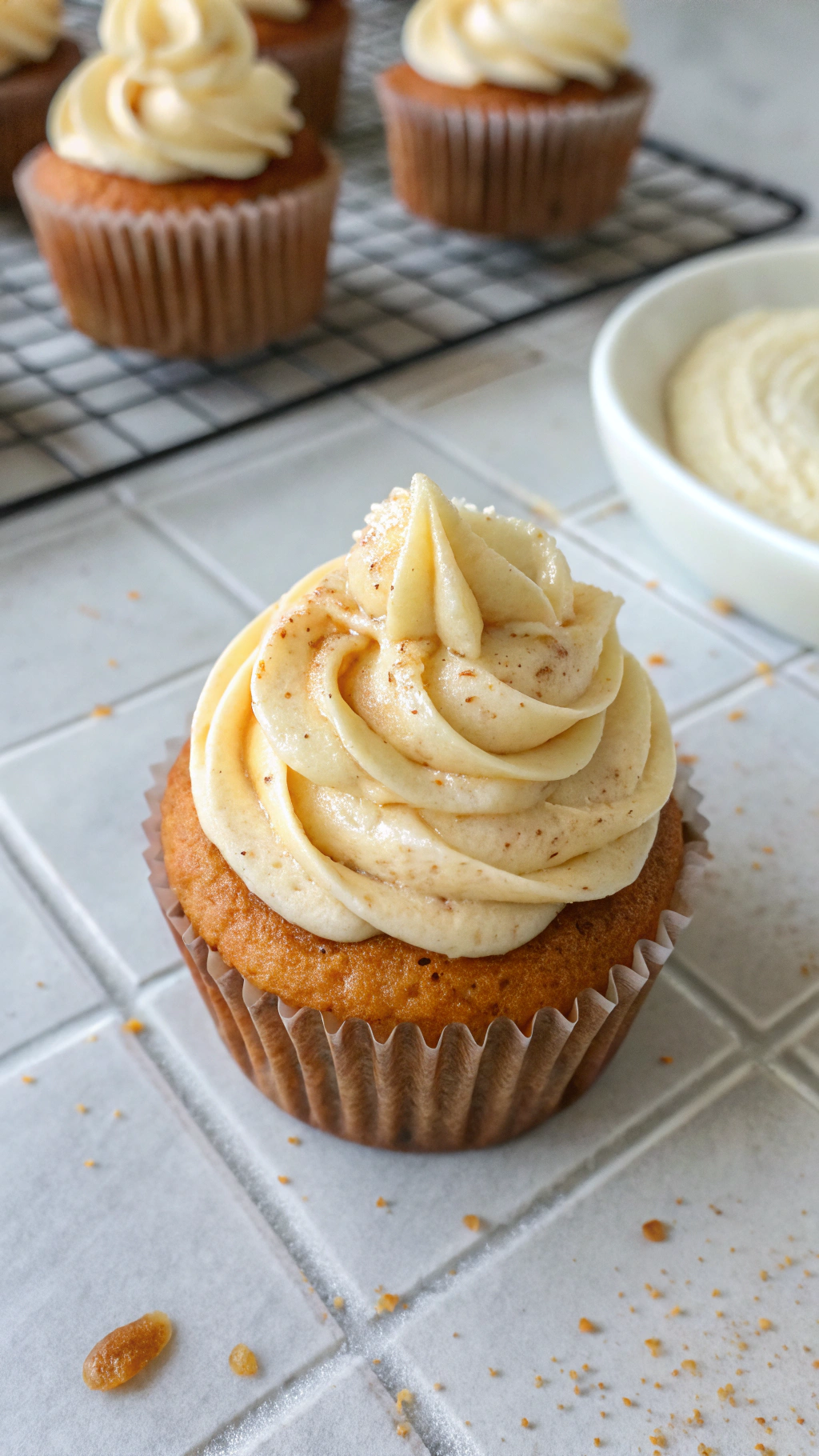
Storage Tips
Proper storage is crucial for maintaining that fresh-baked texture in your low calorie creations. Store completely cooled cupcakes in an airtight container at room temperature for up to 2 days. For longer storage, refrigerate for up to 5 days, though they’re best enjoyed within 3 days.
You can also freeze these cupcakes for up to 3 months. Wrap individually in plastic wrap then place in freezer bags. Thaw at room temperature when ready to enjoy. Pro tip: Freeze unfrosted cupcakes and add frosting after thawing for best texture.
7 Revolutionary Benefits of Low Calorie Cupcakes
Beyond the obvious calorie savings, these smarter desserts offer multiple advantages that enhance your overall eating experience. The benefits extend far beyond weight management into how you approach food and satisfaction. Here’s why making the switch to lighter baking will transform your relationship with desserts.
- Satisfaction Without Guilt: Enjoy actual portion-controlled treats that fit your dietary goals. No more “cheat days” that turn into cheat weeks because you feel deprived.
- Better Energy Levels: Traditional sugary desserts often cause energy crashes. These balanced options provide sustained energy without the spike and drop.
- Nutrient Boost: Many ingredient swaps actually increase nutritional value. Greek yogurt adds protein, while whole grains provide fiber missing in refined flour.
- Blood Sugar Management: Natural sweeteners and fiber-rich flours create a slower glucose release. This is particularly beneficial for those monitoring blood sugar levels.
- Digestive Comfort: Lighter ingredients are often easier on your digestive system. You avoid that heavy, bloated feeling after indulging.
- Versatility for Dietary Needs: The basic recipe adapts easily to various dietary preferences. The health benefits of reduced sugar consumption are well-documented and significant.
- Creative Expression: Low calorie baking encourages experimentation with flavors and textures you might not try otherwise. It’s a fun culinary adventure!
5 Common Mistakes to Avoid
Even experienced bakers can stumble when adapting to lighter recipes. Being aware of these pitfalls will save you from disappointing results. I’ve made most of these mistakes myself so you don’t have to!
- Overmixing the Batter: This develops gluten and creates tough, dense cupcakes. Mix until just combined – a few lumps are fine.
- Inaccurate Measuring: Baking is science, especially with alternative ingredients. Use proper measuring cups and spoons for consistency.
- Overbaking: Low fat batters bake faster than traditional ones. Start checking several minutes before the recommended time.
- Wrong Flour Substitutions: Not all flours behave the same. Almond flour requires different liquid ratios than whole wheat.
- Skipping the Liners: These batters often stick more than oil-rich versions. Always use quality liners or proper greasing.
Alternatives and Variations
The basic recipe serves as a fantastic canvas for countless flavor combinations. Don’t be afraid to experiment once you’ve mastered the foundation. Seasonal ingredients and personal preferences can guide your creations.
For chocolate lovers, replace ¼ cup flour with unsweetened cocoa powder. Add a teaspoon of instant coffee to enhance the chocolate flavor. Citrus variations work beautifully with lemon or orange zest mixed into the batter. For more ideas, check out our guide on Pumpkin spice cupcakes,Cupcakes. Spice it up with cinnamon, nutmeg, or pumpkin spice for autumn-inspired treats.
Dietary restrictions? Use flax eggs (1 tbsp ground flax + 3 tbsp water per egg) for vegan options. Gluten-free flour blends work well when formulated for baking. The possibilities are nearly endless once you understand the basic ratios and techniques.
Frequently Asked Questions
Find answers to common questions
Final Thoughts
Creating delicious low calorie cupcakes has never been more achievable with today’s ingredient options and techniques. These treats prove that you don’t need to sacrifice flavor for health consciousness. For more ideas, check out our guide on Cupcake Flavors,Gatherings. The satisfaction of enjoying a dessert that aligns with your wellness goals is truly priceless.
Remember that baking is both science and art – don’t be discouraged if your first attempt isn’t perfect. Each batch teaches you something new about how ingredients interact. The journey to mastering light baking is as rewarding as the final product. For more inspiration and technical guidance, the comprehensive healthy baking resource offers incredible depth. Now go preheat that oven and create some magic – your future self will thank you with every delightful bite!

Sophie is a 33-year-old holistic nutritionist and food scientist living in Portland, Oregon. Growing up in a multicultural home with dietary restrictions, she learned to create desserts that nourish as much as they delight. She’s led wellness retreats focused on clean, mindful baking.