Wholesome Whole Grain Cupcakes for a Powerful Healthy Boost
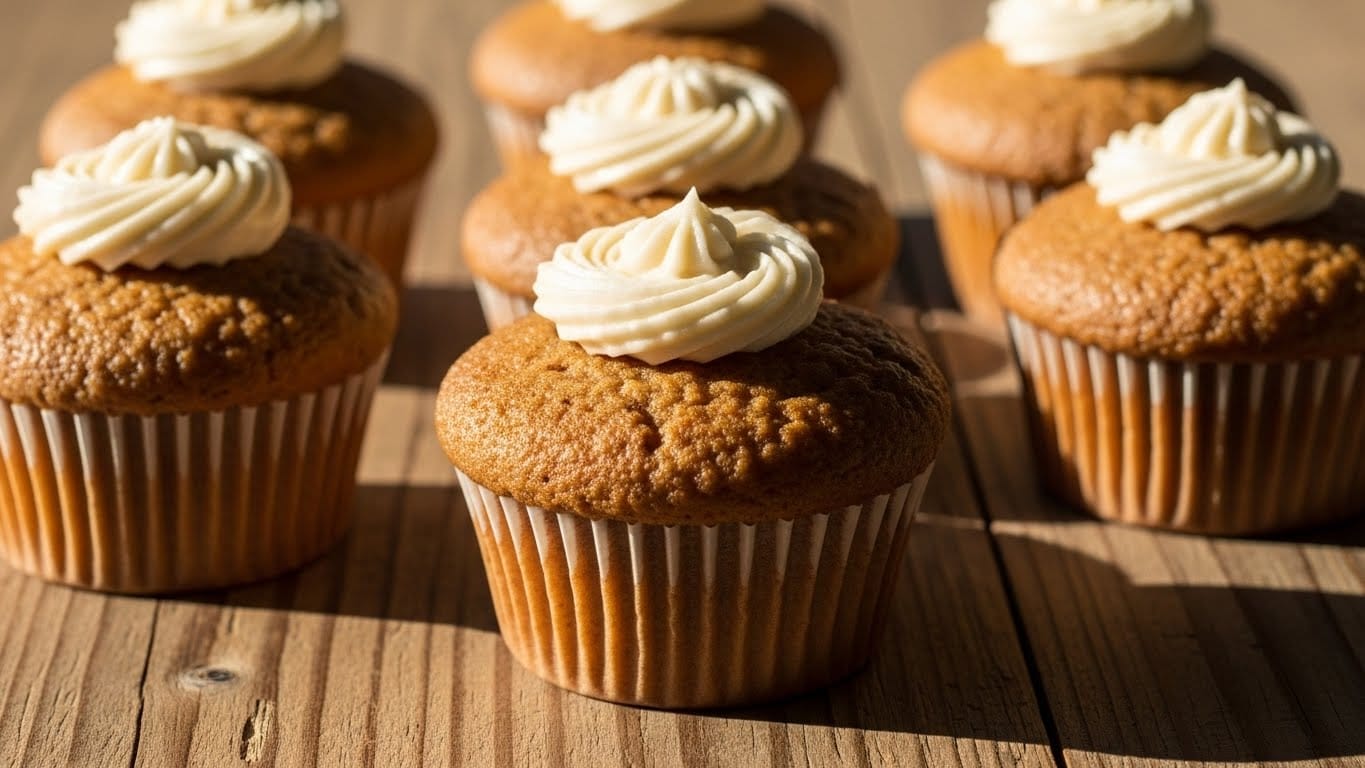
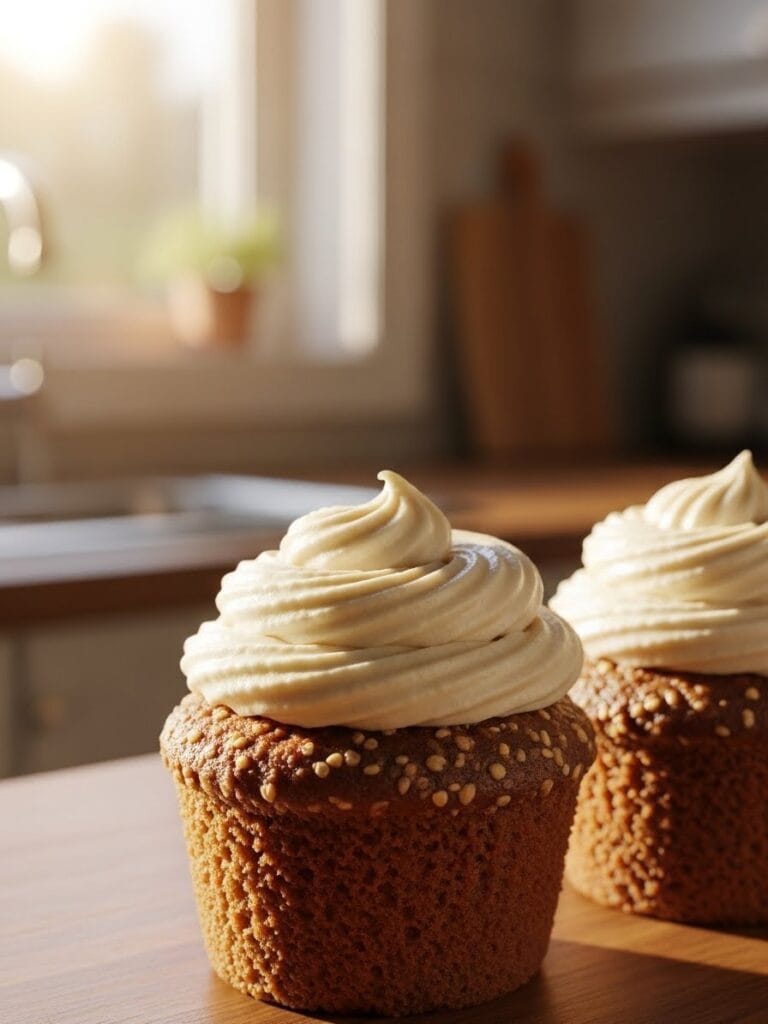
Whole grain cupcakes are about to become your new baking obsession, and I’m not just saying that because I’ve eaten three while writing this. Remember when whole grain meant dense, cardboard-like baked goods that only health fanatics could love? Those days are officially over, my friend. We’re living in a golden age of baking where flavor and nutrition can actually coexist peacefully in your mixing bowl.
I discovered the magic of whole grain cupcakes during a desperate pantry raid when I’d run out of regular flour. What started as a kitchen experiment turned into a revelation that changed my baking game forever. The rich, nutty flavor and satisfying texture made me wonder why I hadn’t tried this sooner. Now I’m here to share everything I’ve learned about creating perfect whole grain cupcakes that will impress even the most skeptical dessert lovers.
7 Revolutionary Secrets to Perfect Whole Grain Cupcakes
Creating amazing whole grain cupcakes requires understanding a few key principles that separate mediocre results from spectacular ones. The first secret involves moisture management, since whole grains tend to absorb more liquid than refined flours. This isn’t a problem once you know how to work with it rather than against it.
Temperature control makes a huge difference in your final product. Room temperature ingredients blend more evenly and create better texture in your whole grain cupcakes. For more ideas, check out our guide on Smash Cake vs. Cupcake,Smash Cake. I learned this the hard way after several batches of dense results that could have doubled as hockey pucks.
Don’t be afraid to mix different whole grain flours for complex flavor profiles. The Whole Grains Council provides excellent resources about various grain options that work beautifully in baking. Combining oat flour with whole wheat creates a particularly delightful texture that melts in your mouth.
Ingredients
- 1 ½ cups whole wheat pastry flour
- ½ cup oat flour
- 1 teaspoon baking powder
- ½ teaspoon baking soda
- ¼ teaspoon salt
- ½ cup unsalted butter, softened
- ¾ cup brown sugar
- 2 large eggs, room temperature
- 1 teaspoon vanilla extract
- 1 cup buttermilk
- Your favorite frosting and toppings
Instructions
- Preheat your oven to 350°F and line a muffin tin with cupcake liners. This temperature works perfectly for whole grain cupcakes because it allows gradual rising without drying them out.
- Whisk together the whole wheat pastry flour, oat flour, baking powder, baking soda, and salt in a medium bowl. The key here is thorough mixing to ensure even distribution of leavening agents throughout your batter.
- Cream the softened butter and brown sugar together until light and fluffy. This step incorporates air into your batter, which is crucial for achieving that perfect cupcake texture we all dream about.
- Beat in the eggs one at a time, then mix in the vanilla extract. Adding eggs gradually prevents the mixture from breaking and ensures proper emulsification for better structure in your final whole grain cupcakes.
- Alternate adding the dry ingredients and buttermilk to the butter mixture, beginning and ending with the dry ingredients. This method prevents overmixing while ensuring everything incorporates smoothly without tough gluten development.
- Divide the batter evenly among the prepared cupcake liners, filling each about two-thirds full. Using an ice cream scoop makes this process cleaner and gives you consistently sized whole grain cupcakes every single time.
- Bake for 18-22 minutes until a toothpick inserted into the center comes out clean. Rotate the pan halfway through baking for even browning and perfect rise on all your beautiful whole grain cupcakes.
- Cool in the pan for 5 minutes before transferring to a wire rack to cool completely before frosting. I know it’s tempting to frost them warm, but patience here prevents melted frosting disasters.
Storage Tips
Proper storage makes all the difference in maintaining that fresh-baked quality. Store unfrosted whole grain cupcakes in an airtight container at room temperature for up to three days. The whole grains help them stay moist longer than traditional cupcakes.
For longer storage, you can freeze them successfully for up to three months. Wrap each cupcake individually in plastic wrap, then place them in a freezer bag. For more ideas, check out our guide on sugar free apple cupcakes,Sugar Free. Thaw at room temperature when ready to serve.
Frosted cupcakes should be stored in the refrigerator if they contain perishable ingredients like cream cheese or whipped cream frosting. Bring them to room temperature before serving for the best texture and flavor experience.
5 Game-Changing Benefits of Whole Grain Cupcakes
Beyond the delicious flavor, these treats offer some surprising advantages that might make you feel slightly less guilty about reaching for that second one. The fiber content in whole grains supports digestive health and helps maintain steady energy levels without the sugar crash.
You’re getting more nutrients per bite compared to traditional cupcakes. Whole grains retain their bran and germ, which contain valuable vitamins, minerals, and antioxidants. For more ideas, check out our guide on frosting cupcakes guide,Cupcakes. According to Harvard’s nutrition experts, whole grains offer numerous health benefits when incorporated into your diet.
The complex flavors mean you might find yourself satisfied with smaller portions. That rich, nutty taste provides more sensory satisfaction than overly sweet traditional cupcakes. Here are the top benefits:
- Better sustained energy without sugar crashes
- Increased fiber for digestive health
- More nutrients per delicious bite
- Rich, complex flavors that satisfy faster
- Versatile base for various flavor combinations
Common Mistakes to Avoid
Overmixing the batter ranks as the number one error I see beginners make with whole grain cupcakes. Unlike traditional recipes, whole grain flours develop gluten faster, so mix just until combined. A few small lumps are perfectly fine and actually preferable.
Using cold ingredients straight from the refrigerator creates texture problems. Take the time to bring your eggs, buttermilk, and butter to room temperature. This simple step makes a dramatic difference in your final product’s lightness and rise.
Don’t substitute different whole grain flours without understanding their properties. Each grain behaves differently in baking, so research before swapping. Whole wheat pastry flour works beautifully, while regular whole wheat flour produces denser results.
Alternatives and Variations
For gluten-free options, substitute with a quality gluten-free whole grain flour blend. Look for blends that include brown rice flour, sorghum flour, and maybe some almond flour for added moisture. The texture will be slightly different but equally delicious.
Vegan variations work wonderfully with whole grain cupcakes. Replace eggs with flax eggs and use plant-based milk with a teaspoon of vinegar instead of buttermilk. For more ideas, check out our guide on plant based cupcakes. The heartier texture of whole grains stands up well to these substitutions.
Flavor variations let you get creative while maintaining the whole grain base. Add citrus zest, spices, or mashed bananas for natural moisture and flavor enhancement. The possibilities are nearly endless once you master the basic recipe.
Frequently Asked Questions
Find answers to common questions
Final Thoughts
Whole grain cupcakes represent that beautiful intersection where health-conscious baking meets irresistible flavor. They’ve completely transformed my approach to dessert, proving that nutritious ingredients can create spectacular results. For more ideas, check out our guide on Nut-Free Halloween Cupcakes. The journey to perfecting your technique might require some practice, but the rewards are absolutely worth it.
I encourage you to experiment with different whole grain combinations and flavor profiles to discover your personal favorites. The USDA Food Data Central provides excellent nutritional information to help you understand the benefits of various grains. Remember that baking should be fun, so don’t stress about perfection – even imperfect homemade whole grain cupcakes beat store-bought any day.

Sophie is a 33-year-old holistic nutritionist and food scientist living in Portland, Oregon. Growing up in a multicultural home with dietary restrictions, she learned to create desserts that nourish as much as they delight. She’s led wellness retreats focused on clean, mindful baking.


One Comment