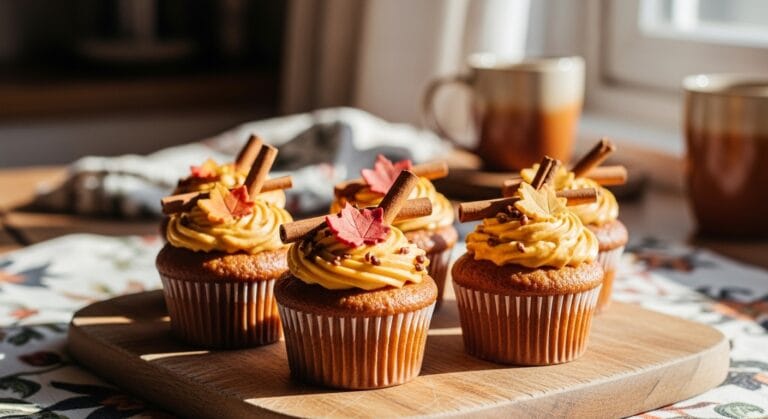
Stunning Buttercream Texture Cupcakes for Powerful Results
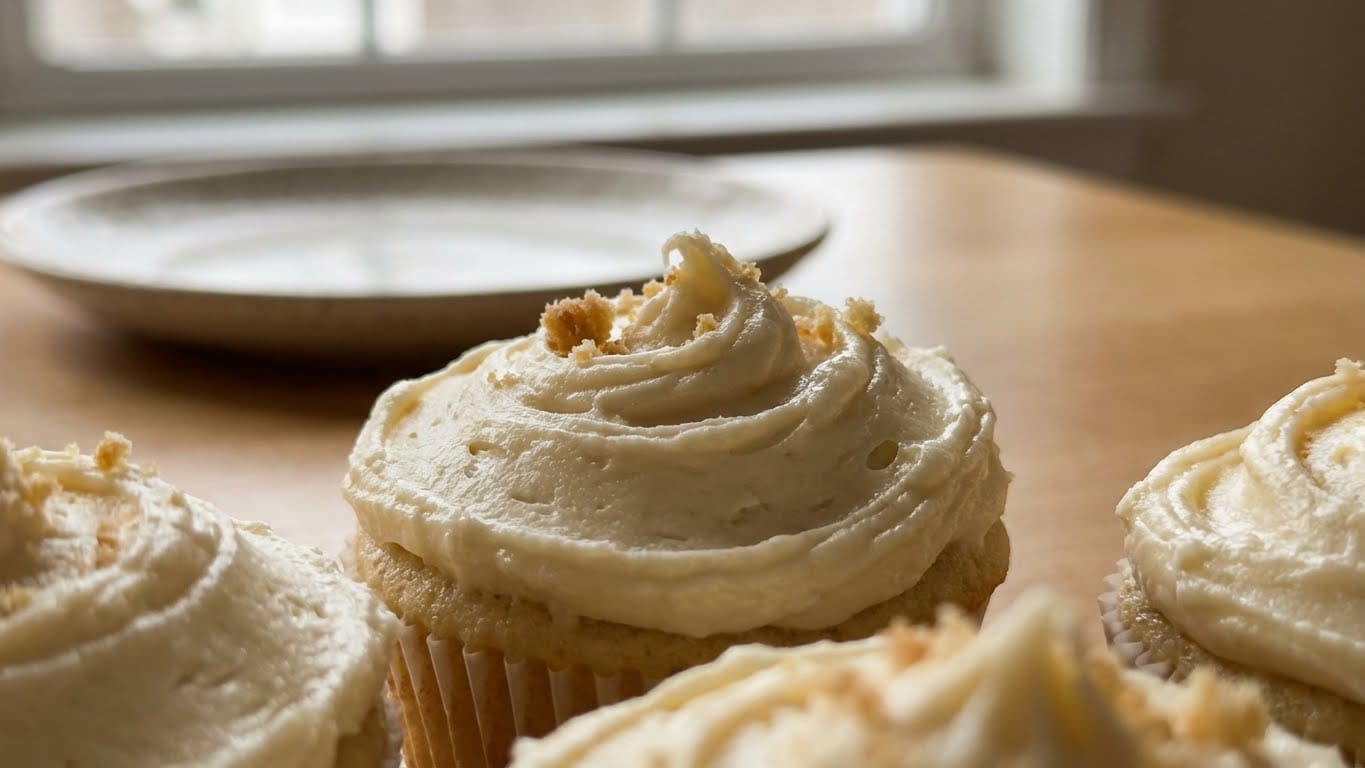
Creating the perfect buttercream texture cupcakes is the holy grail of baking, where fluffy cake meets dreamy frosting in a symphony of sweetness. I remember my first attempt at these beauties—let’s just say the texture resembled something closer to sweetened cement than cloud-like perfection. Getting that ideal buttercream texture cupcakes combination requires understanding both science and art. The journey to mastering buttercream texture cupcakes involves temperature control, ingredient ratios, and mixing techniques. Today we’re unlocking all the secrets to achieve bakery-quality results at home. Your taste buds will thank you for this delicious adventure.
7 Revolutionary Techniques for Perfect Buttercream Texture Cupcakes
Texture makes or breaks your cupcake experience, transforming good treats into unforgettable ones. The magic happens when your cake crumb meets that silky buttercream in perfect harmony. Temperature control stands as the most overlooked factor in achieving ideal buttercream texture cupcakes.
Room temperature ingredients truly make the difference between success and disappointment. Cold butter creates lumpy frosting while warm butter makes it greasy. The science behind room temperature butter explains why 65-68°F delivers perfect emulsification.
Your mixing technique determines whether you get airy clouds or dense bricks. The creaming method incorporates tiny air pockets that expand during baking. For more ideas, check out our guide on baking cupcakes hacks. Under-mixing leaves you with flat results while over-mixing develops too much gluten.
Ingredients
- 2 cups all-purpose flour
- 1½ cups granulated sugar
- ½ cup unsalted butter, room temperature
- 3 large eggs, room temperature
- 1 cup whole milk, room temperature
- 2 tsp baking powder
- 1 tsp vanilla extract
- ½ tsp salt
- 4 cups powdered sugar
- 2 cups unsalted butter, room temperature
- 2 tsp vanilla extract
- 3 tbsp heavy cream
- Pinch of salt
Instructions
- Preheat your oven to 350°F and line muffin tins with cupcake liners. This ensures even baking and easy removal later. Proper preparation prevents last-minute scrambling.
- Whisk together flour, baking powder, and salt in a medium bowl. Aerating your dry ingredients prevents dense cupcakes. I like to whisk for at least 30 seconds.
- Cream room temperature butter and sugar for 3-5 minutes until light and fluffy. This crucial step creates those tiny air pockets. Don’t rush this process.
- Add eggs one at a time, mixing well after each addition. Scrape the bowl between additions. This ensures proper emulsion and volume.
- Alternate adding dry ingredients and milk, starting and ending with flour. Mix until just combined after each addition. Over-mixing at this stage creates tough cupcakes.
- Fill liners ⅔ full and bake for 18-22 minutes until tops spring back. Rotate pans halfway through for even baking. Cool completely before frosting.
- For buttercream, beat room temperature butter for 3 minutes until pale and creamy. Gradually add powdered sugar with mixer on low. Increase speed and beat for 3 minutes.
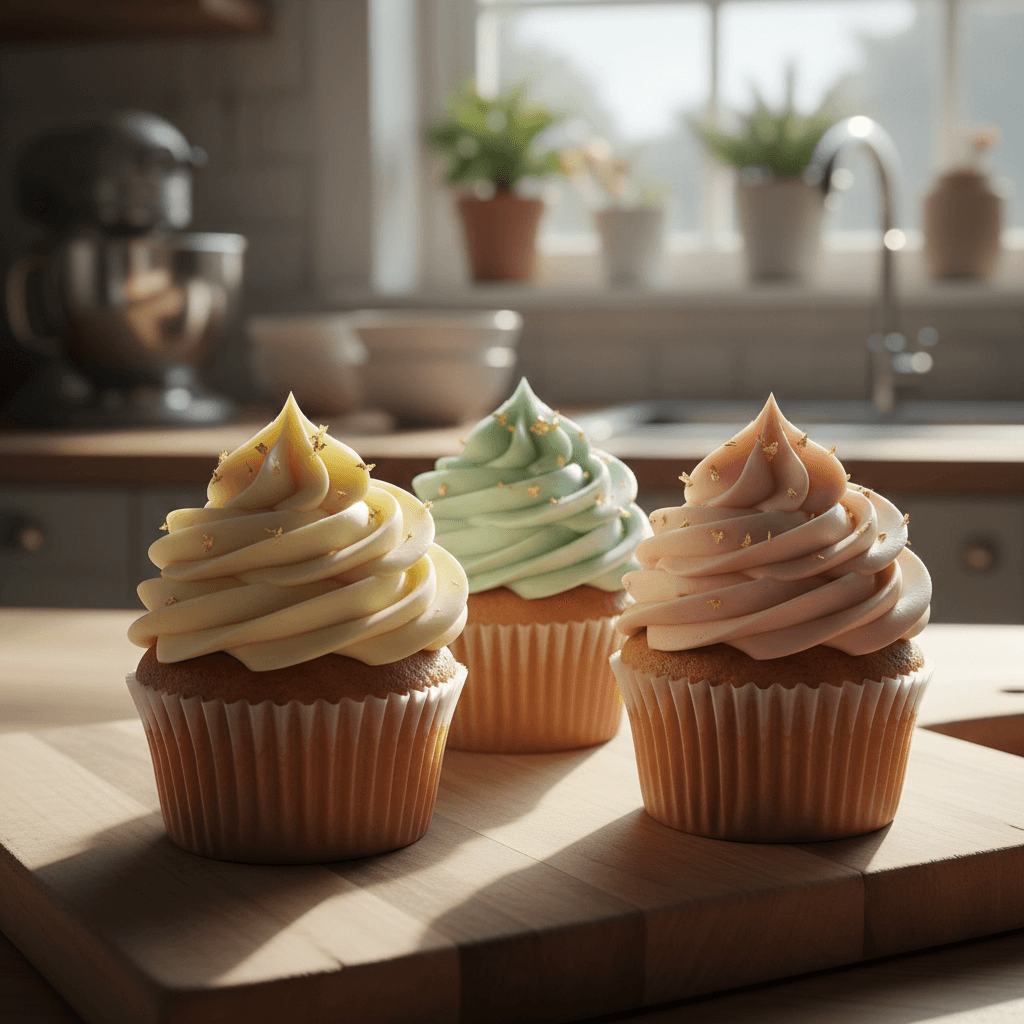
- Add vanilla, salt, and heavy cream. Beat for 2 more minutes until light and fluffy. Your perfect buttercream should hold peaks but spread easily.
Storage Tips
Proper storage maintains that perfect buttercream texture cupcakes deserve. Frosted cupcakes stay fresh at room temperature for 2 days in an airtight container. Avoid refrigeration as it dries out cupcakes and hardens buttercream.
For longer storage, freeze unfrosted cupcakes for up to 3 months. Wrap individually in plastic then place in freezer bags. Thaw at room temperature before frosting and serving.
Buttercream can be made ahead and refrigerated for 2 weeks or frozen for 3 months. Bring to room temperature and re-whip before using. For more ideas, check out our guide on buttercream cupcakes techniques,Cupcake. Add a tablespoon of cream if needed to restore texture.
5 Incredible Benefits of Mastering Buttercream Texture Cupcakes
Perfecting buttercream texture cupcakes elevates your baking from amateur to professional level. The rewards extend beyond just delicious results. You gain confidence to tackle more complex recipes and techniques.
Consistent texture means predictable results every time you bake. No more guessing games or disappointing outcomes. Your creations will look and taste professionally made.
The science behind baking reactions becomes second nature through practice. Understanding how ingredients interact helps you troubleshoot issues instantly. For more ideas, check out our guide on frosting cupcakes piping,Cupcake. You’ll develop an intuitive sense for perfect batter and frosting consistency.
- Impressive Results: Perfect cupcakes wow at parties and special occasions
- Cost Effective: Homemade beats bakery prices with superior quality
- Customization Freedom: Adjust flavors and textures to personal preference
- Skill Foundation: Master techniques that transfer to other baking projects
- Therapeutic Process: Baking provides stress relief and creative expression
Common Mistakes to Avoid
Even experienced bakers make texture-ruining errors sometimes. Recognizing these pitfalls saves time, ingredients, and disappointment. Temperature mistakes top the list of buttercream texture cupcakes failures.
Using cold ingredients creates dense, heavy cupcakes and grainy buttercream. Room temperature means 65-68°F, not cool to the touch. Plan ahead and set ingredients out 1-2 hours before baking.
Over-mixing batter develops too much gluten, creating tough cupcakes. Mix until just combined after adding flour. For more ideas, check out our guide on gluten free pumpkin cupcakes. A few small lumps are better than over-mixed batter.
Under-creaming butter and sugar results in flat, dense cupcakes. Cream for full 3-5 minutes until pale and fluffy. Proper creaming incorporates essential air into your batter.
Delicious Variations and Alternatives
Once you master basic buttercream texture cupcakes, the flavor possibilities become endless. Chocolate cupcakes pair beautifully with vanilla Swiss meringue buttercream. The lighter frosting complements rich chocolate perfectly.
Lemon cupcakes with raspberry buttercream create fantastic flavor contrast. Add citrus zest to batter and fruit puree to frosting. For more ideas, check out our guide on honey butter cupcakes. The tartness cuts through sweetness beautifully.
For dietary needs, gluten-free flour blends work well when measured properly. Vegan options using plant-based butter and milk alternatives deliver surprising results. The techniques remain identical across variations.
Frequently Asked Questions
Find answers to common questions
Final Thoughts
Mastering buttercream texture cupcakes brings immense satisfaction and delicious rewards. The techniques become second nature with practice. For more ideas, check out our guide on Protein cupcakes Halloween,Protein,Halloween. Remember that perfect temperature and proper mixing make all the difference.
Your journey to buttercream texture cupcakes perfection starts with understanding the fundamentals. The art and science of baking continues to evolve with new techniques. Don’t be afraid to experiment and make the recipes your own. Share your creations and enjoy the sweet success of perfect buttercream texture cupcakes!

Ben is a 41-year-old baking educator and former bakery owner from Kansas City, Missouri. With a culinary degree and years of hands-on experience, he specializes in teaching approachable, science-based baking. He once recreated a 17th-century cupcake recipe for a historical food documentary.