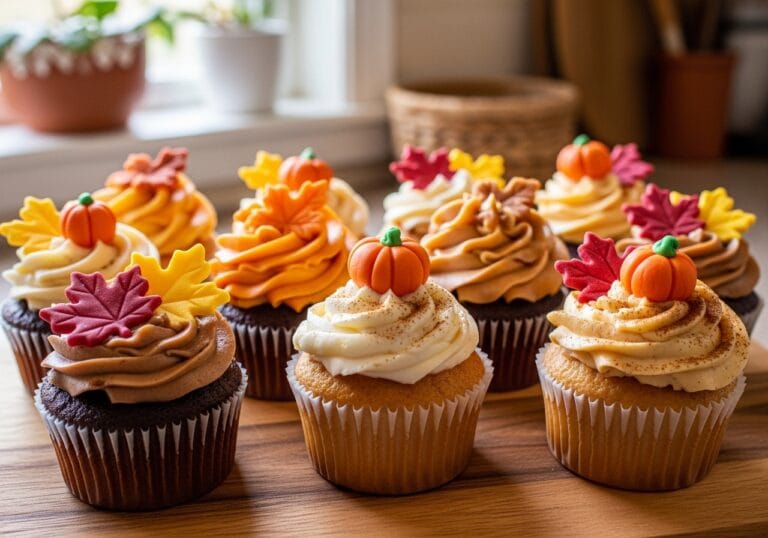
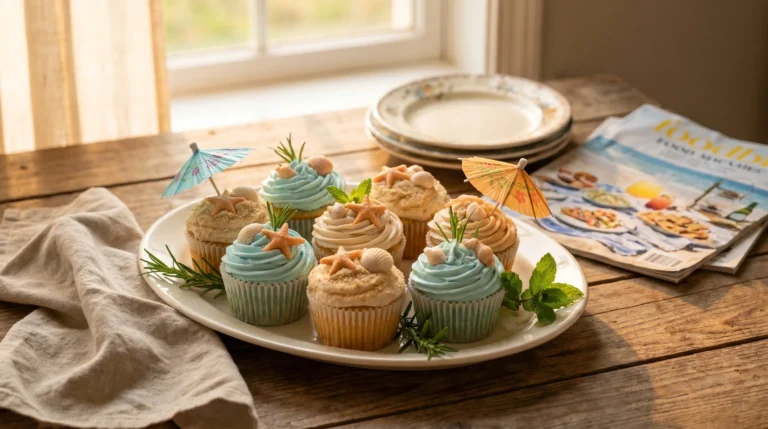
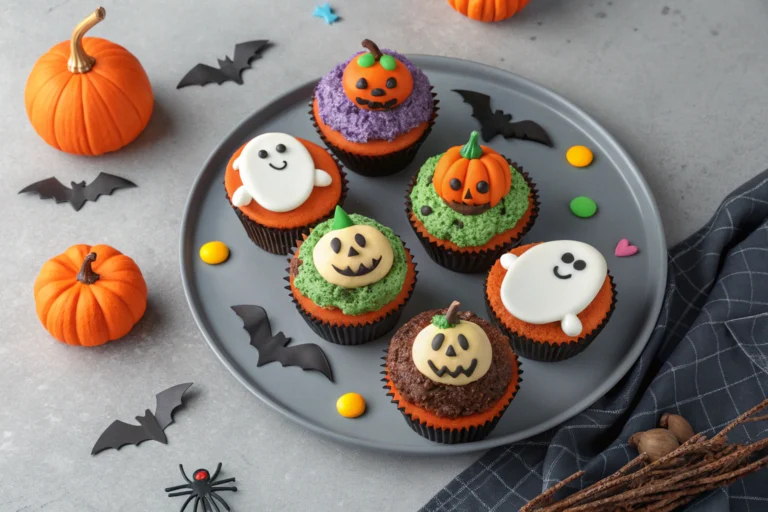
Eye-Catching Frosting Cupcakes Designs You Need to Try
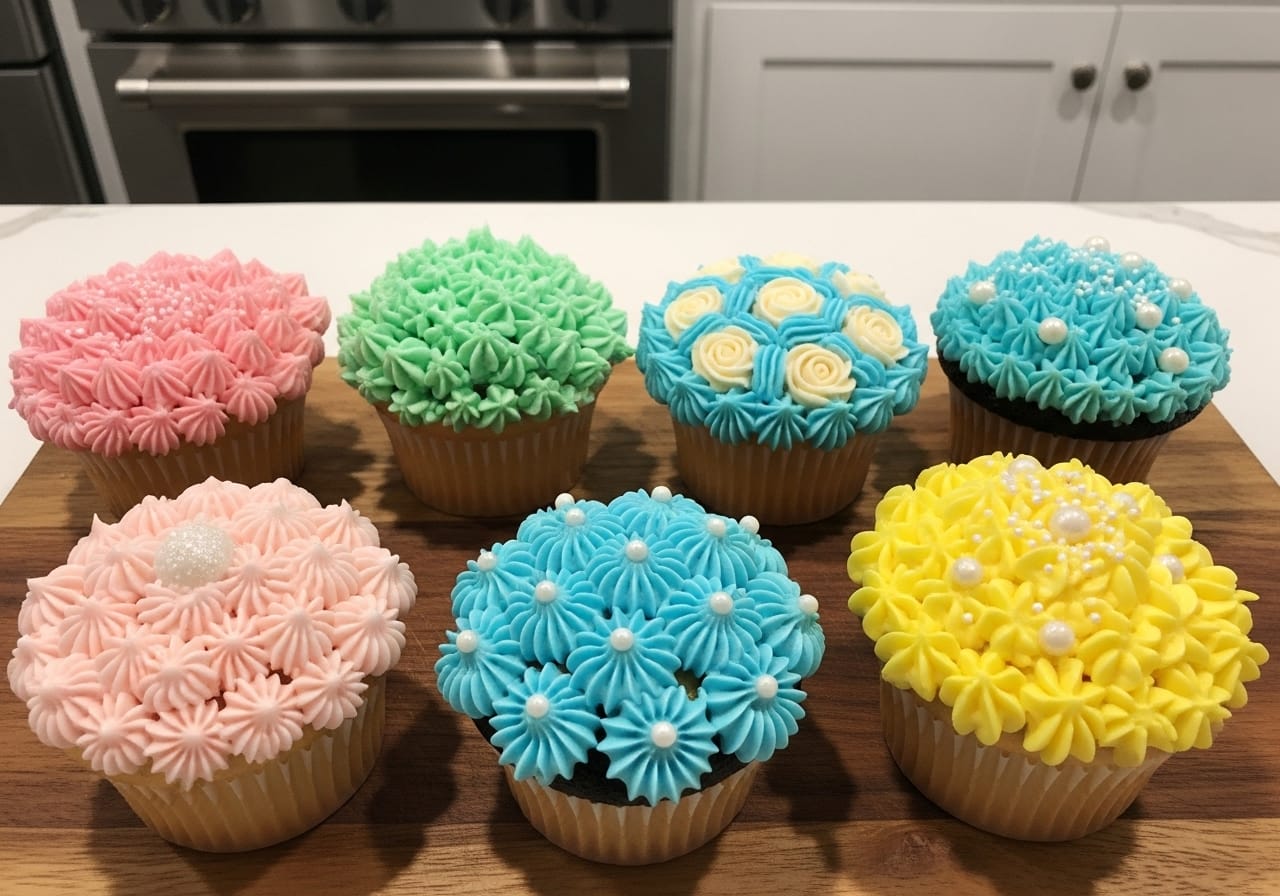
Table of Contents
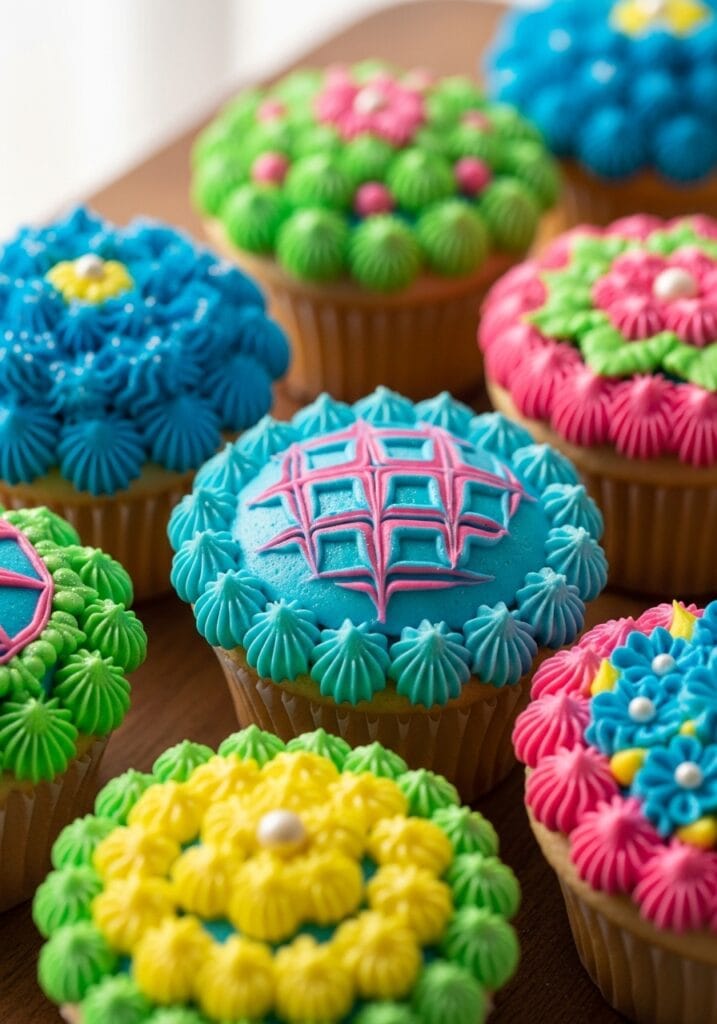
Mastering frosting cupcakes designs can transform your baking from simple to spectacular. These creative techniques elevate ordinary cupcakes into edible works of art. Whether you’re preparing for a birthday party or simply indulging your sweet tooth, beautiful frosting makes all the difference. The right approach to frosting cupcakes designs can turn basic baked goods into professional-looking treats. Let’s explore how you can create stunning visual effects with simple tools and techniques.
The Ultimate Guide to 7 Revolutionary Frosting Techniques
Creating amazing frosting cupcakes designs doesn’t require professional training. With the right approach, anyone can achieve bakery-quality results at home. The secret lies in understanding basic piping techniques and how to manipulate frosting consistency. These seven methods will completely transform your decorating game.
Start with the classic swirl, which forms the foundation for many advanced designs. This technique works beautifully with buttercream and cream cheese frostings. The key is maintaining consistent pressure while moving your piping bag in a circular motion. Practice makes perfect with this essential skill.
Rosette designs create elegant, flower-like appearances that impress at first glance. These work particularly well for weddings and formal events. Using a star tip, you pipe in a tight circular motion from center outward. For more ideas, check out our guide on cupcake glaze tutorial,Cupcake Glaze,Cupcakes. The result resembles a beautiful rose blooming on your cupcake.
For something completely different, try the ruffle technique. This creates dramatic, textured effects that look fantastic on fashion-themed cupcakes. You’ll need a petal tip and slightly thinner frosting consistency. The motion resembles creating fabric ruffles with your piping bag.
Ombre effects provide stunning visual dimension using color gradients. You achieve this by preparing multiple shades of the same color family. Either pipe them separately or create a multi-colored effect in a single bag. The Wilton method for ombre frosting produces particularly beautiful results.
Textured designs using forks or knives create interesting patterns with minimal tools. Simply frost your cupcake smoothly, then drag utensils through the surface. This approach works wonderfully when you want something artistic but lack piping skills. For more ideas, check out our guide on cupcake decorating ideas,Decorating. The organic patterns look deliberately rustic rather than imperfect.
Ingredients
- 2 cups unsalted butter, softened
- 8 cups powdered sugar
- 1/2 cup heavy cream or milk
- 2 teaspoons vanilla extract
- 1/2 teaspoon salt
- Gel food coloring (assorted colors)
- 12 baked and cooled cupcakes
- Piping bags and assorted tips
- Parchment paper for practice
Instructions
- Beat softened butter in a stand mixer until light and fluffy. This should take about 3-5 minutes on medium speed. Properly creamed butter forms the foundation for perfect piping consistency.
- Gradually add powdered sugar one cup at a time. Mix on low speed initially to prevent sugar clouds. After each addition, scrape down the bowl sides to ensure even incorporation.
- Pour in heavy cream, vanilla extract, and salt. Increase mixer speed to medium-high and beat for 2-3 minutes. The frosting should become noticeably lighter in color and texture.
- Divide frosting into separate bowls for coloring. Use gel food coloring rather than liquid for vibrant hues without altering consistency. Mix thoroughly until colors appear uniform.
- Load prepared frosting into piping bags fitted with your chosen tips. Twist the top securely to prevent leakage. Practice basic motions on parchment paper before moving to actual cupcakes.
- Pipe your chosen designs onto cooled cupcakes using steady, consistent pressure. Start from the outside edge and work inward for most designs. For swirls, begin at the center and spiral outward.
- Add final decorations like sprinkles or edible glitter immediately after piping. The fresh frosting will hold these additions perfectly. Allow finished cupcakes to set for 30 minutes before serving.
Storage Tips
Proper storage maintains both the appearance and flavor of your decorated creations. Frosted cupcakes keep best at cool room temperature for up to two days. Avoid refrigeration unless absolutely necessary, as it can dry out both cake and frosting.
For longer storage, freeze unfrosted cupcakes and decorate after thawing. Place cooled cupcakes in airtight containers separated by parchment layers. They’ll maintain freshness for up to three months this way.
Always bring refrigerated cupcakes to room temperature before serving. This restores the frosting’s ideal texture and flavor. For more ideas, check out our guide on swirl frosting cupcakes. The butter in frosting hardens when chilled, losing its creamy mouthfeel.
5 Game-Changing Benefits of Mastering Cupcake Design
Beyond creating beautiful treats, developing frosting skills offers numerous advantages. These benefits extend far beyond the kitchen into creative and even professional realms. The satisfaction of creating edible art provides tremendous personal fulfillment.
First, you’ll save significant money compared to bakery purchases. Custom-decorated cupcakes often cost $4-$6 each at specialty shops. The King Arthur Baking experts note that homemade versions cost fractions of this amount. Your skills become valuable assets for event budgeting.
Secondly, you gain complete creative control over designs and flavors. Match colors to party themes or create personalized messages. Dietary restrictions become manageable when you control ingredients. The possibilities become limited only by imagination.
Third, these skills provide potential income opportunities. Beautiful frosting cupcakes designs attract attention on social media and at events. Many home bakers start small businesses after mastering decorative techniques. What begins as a hobby might evolve into profitable venture.
Fourth, the process provides therapeutic creative expression. The focused attention required for piping creates mindfulness benefits. Many decorators find the repetition calming and meditative. You create something beautiful while reducing stress.
Finally, you create memorable experiences for others. Beautiful food becomes part of celebration memories. The effort you put into frosting cupcakes designs shows care and attention. For more ideas, check out our guide on Spider Cupcakes. These thoughtful touches make occasions more special.
Common Mistakes to Avoid
Several common errors can undermine your decorating efforts. Awareness helps prevent frustration and wasted ingredients. These pitfalls trip up both beginners and experienced bakers occasionally.
Using warm cupcakes represents the most frequent error. The heat melts frosting immediately, ruining your careful work. Always ensure cupcakes cool completely before decorating. IMO, this simple step prevents countless decorating disasters.
Incorrect frosting consistency causes many piping problems. Too stiff, and you’ll struggle to apply consistent pressure. Too soft, and designs lose definition immediately. For more ideas, check out our guide on decorating cupcakes skills,Decorating. Test consistency by piping practice shapes before decorating actual cupcakes.
Overfilling piping bags leads to messy hands and uneven pressure. Fill bags only halfway for best control. Twist the top securely to prevent frosting from escaping backward. This keeps your hands clean and movements precise.
Rushing the process inevitably produces inferior results. Beautiful frosting cupcakes designs require patience and attention. Allow sufficient time for each step from mixing to decorating. Rushed work always shows in the final product.
Alternatives and Variations
Not every situation calls for traditional buttercream frosting. Numerous alternatives accommodate different tastes and dietary needs. For more ideas, check out our guide on smooth frosting cupcakes,Cupcakes. These variations expand your decorating possibilities significantly.
Cream cheese frosting provides tangy contrast to sweet cupcakes. It pipes beautifully when properly chilled. The slight softness requires quicker work but delivers fantastic flavor. This works particularly well with carrot or red velvet cupcakes.
Whipped cream frosting offers lighter texture and less sweetness. Stabilize with gelatin or instant pudding mix for better piping consistency. This option pleases those who find buttercream overly rich. It’s perfect for summer events and fruit-topped creations.
Vegan buttercream uses plant-based butter and milk alternatives. Modern products pipe nearly identically to traditional versions. The flavor differences have become minimal with ingredient improvements. For more ideas, check out our guide on vegan pecan cupcakes. Everyone can enjoy beautifully decorated treats.
Chocolate ganache provides luxurious, glossy finishes. While not ideal for intricate piping, it creates stunning drip effects. Combine with simple decorations for elegant results. The rich flavor complements many cake varieties beautifully.
Frequently Asked Questions
Find answers to common questions
Final Thoughts
Mastering frosting cupcakes designs brings tremendous creative satisfaction and practical benefits. These skills transform simple baking into artistic expression. For more ideas, check out our guide on Ghost Whip Frosting Tutorial,Frosting,Ghost. The techniques we’ve covered provide foundation for endless variations and personal style development.
Remember that practice creates progress more than perfection. Each batch improves your skills and confidence. The Wikipedia history of icing shows how these techniques evolved over centuries. You’re participating in a creative tradition that brings joy to others.
Your next batch of cupcakes presents another opportunity to experiment. Try one new technique each time you bake. Share your creations and enjoy the process of continuous improvement. Beautiful frosting cupcakes designs await your creative touch!

Ben is a 41-year-old baking educator and former bakery owner from Kansas City, Missouri. With a culinary degree and years of hands-on experience, he specializes in teaching approachable, science-based baking. He once recreated a 17th-century cupcake recipe for a historical food documentary.